

Currently Empty: CFA0.00



Blog
10 powerful stress management techniques 2026
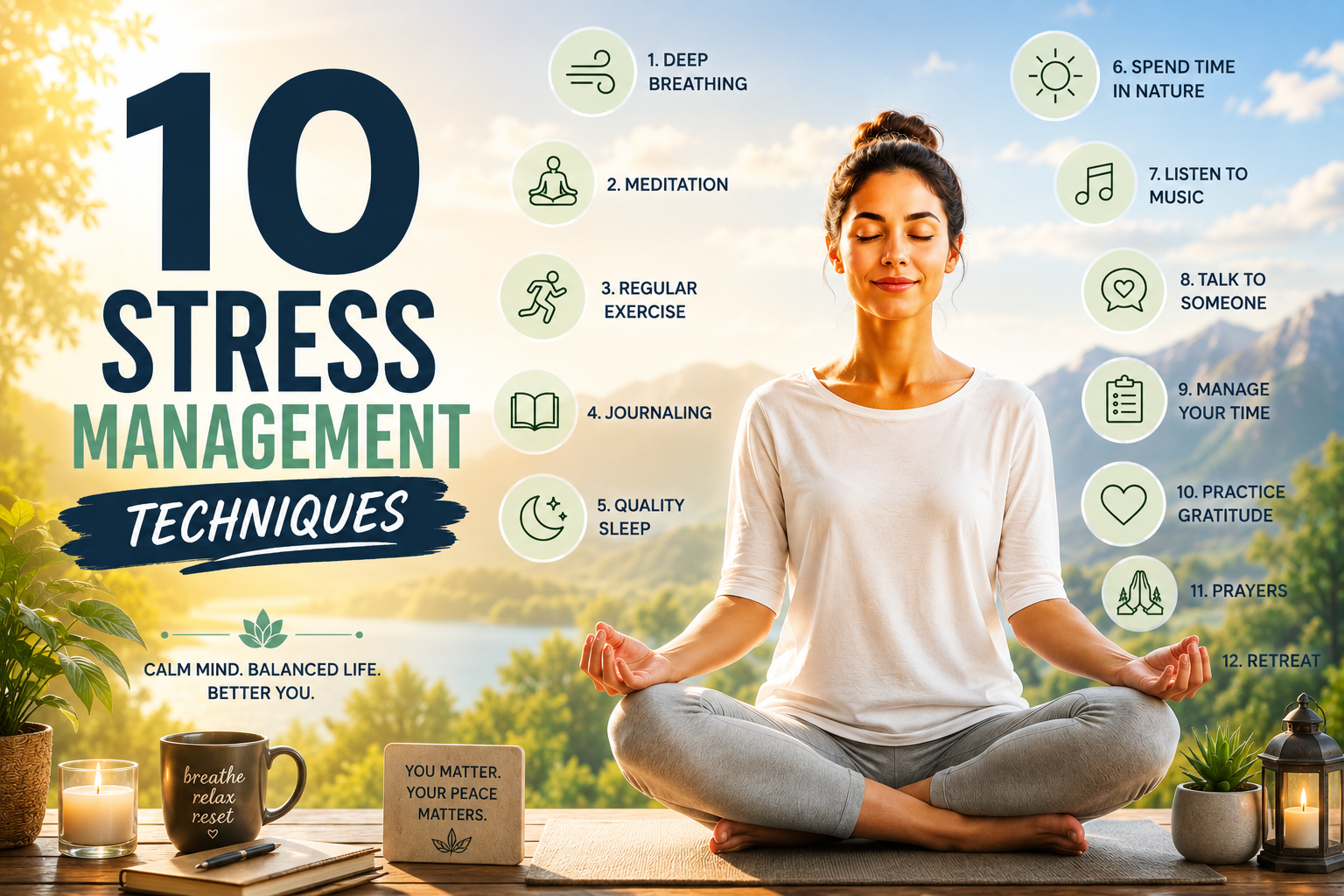
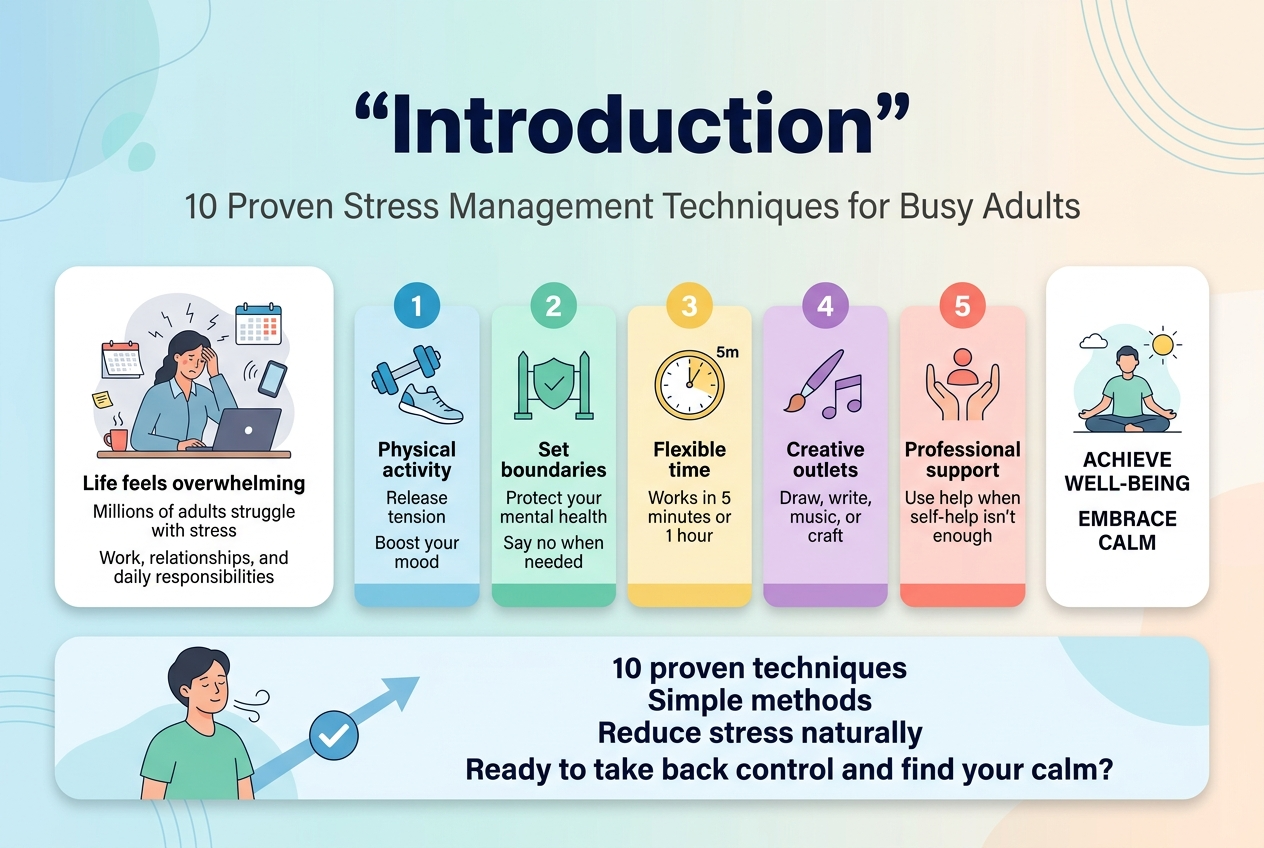
Life feels overwhelming, and stress is taking over your daily routine. You’re not alone – millions of adults struggle with managing stress from work, relationships, and everyday responsibilities.
This guide shares 10 proven stress management techniques that busy adults can actually stick with. You’ll discover simple methods to reduce stress naturally without complicated routines or expensive treatments.
We’ll walk through physical activities that release tension and boost your mood, plus practical ways to build boundaries that protect your mental health. You’ll also learn about creative outlets and professional support options when self-help isn’t enough.
These stress relief methods work whether you have 5 minutes or an hour. Ready to take back control and find your calm? Let’s dive into these game-changing strategies for healthy stress management.
Get Your Body Moving to Release Stress
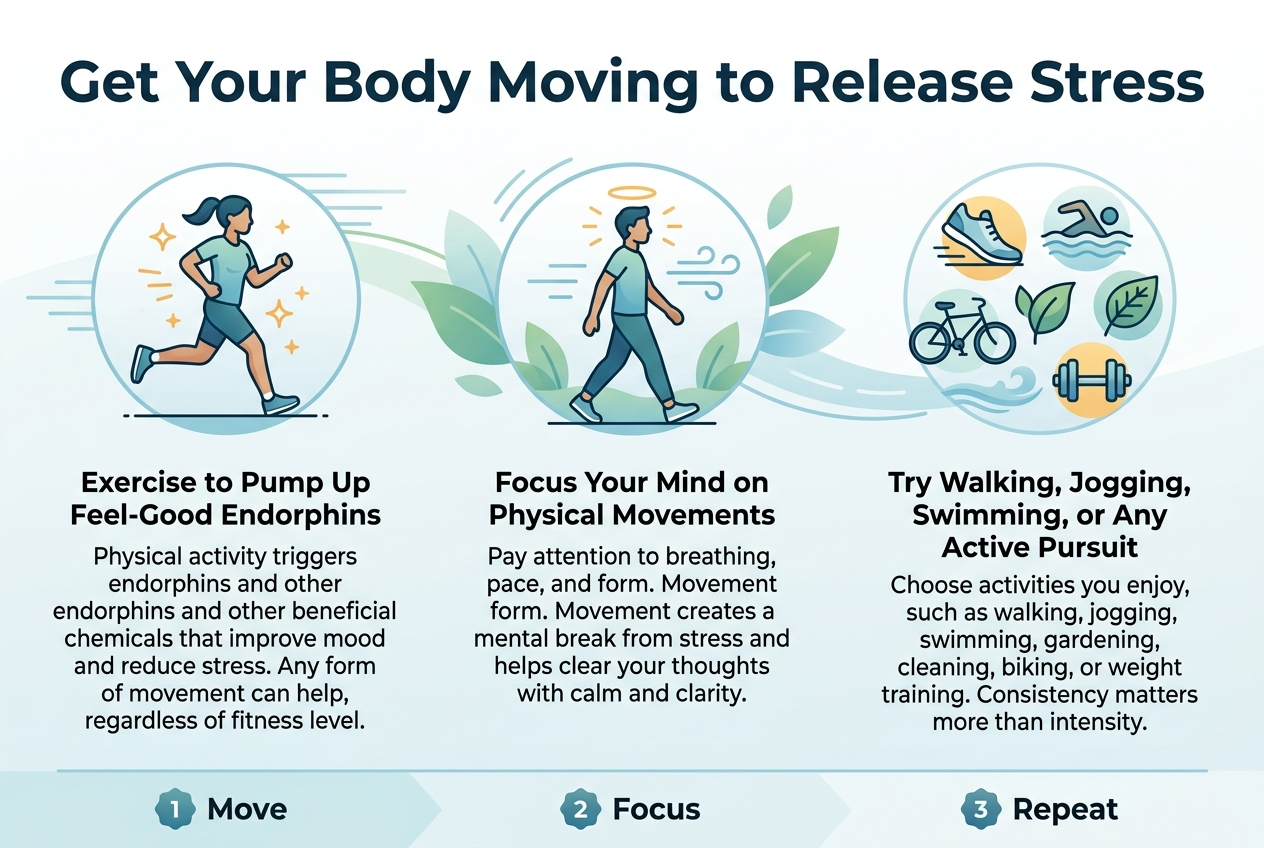
Exercise to Pump Up Feel-Good Endorphins
Physical activity serves as a powerful natural stress reliever by triggering the release of endorphins and other beneficial neural chemicals that enhance your sense of well-being. These natural mood elevators work within your body’s own systems to combat stress and create a more positive mental state. Almost any form of physical activity can act as an effective stress management technique, regardless of your current fitness level or athletic background.
The beauty of using exercise for stress relief lies in its accessibility – you don’t need to be an athlete or in perfect shape to experience these benefits. Your body’s natural response to movement includes the production of these feel-good chemicals, making physical activity one of the most reliable stress reduction strategies available.
Focus Your Mind on Physical Movements
Exercise provides a unique opportunity to refocus your mind away from daily stressors and onto your body’s movements. This mental shift serves as a natural form of meditation in motion, helping to improve your mood while allowing the day’s irritations to gradually fade away. When you concentrate on the physical aspects of movement – your breathing, your pace, your form – you create a mental break from stress-inducing thoughts.
This focused attention on physical movement can reduce the emotional intensity of stress, clearing your thoughts and enabling you to approach problems with greater calm and clarity. The combination of physical exertion and mental focus creates a powerful stress management tool that addresses both the physical and psychological aspects of stress.
Try Walking, Jogging, Swimming, or Any Active Pursuit
The versatility of physical activity as a stress relief method means you have countless options to choose from based on your preferences and circumstances. Walking and jogging are accessible forms of exercise that require minimal equipment while providing significant stress reduction benefits. Swimming offers a full-body workout that many find particularly relaxing due to the rhythmic nature of the movements and the soothing properties of water.
Beyond traditional exercises, consider incorporating activities like working in your garden, cleaning your house, biking, or weight training into your stress management routine. These diverse options ensure you can find physical activities that fit your lifestyle, schedule, and personal preferences. The key is consistency rather than intensity – regular engagement in any active pursuit will help you develop effective coping with stress habits that serve as natural stress relief methods throughout your daily life.
Take Control of Your Stress Triggers
Identify the root cause of your stress
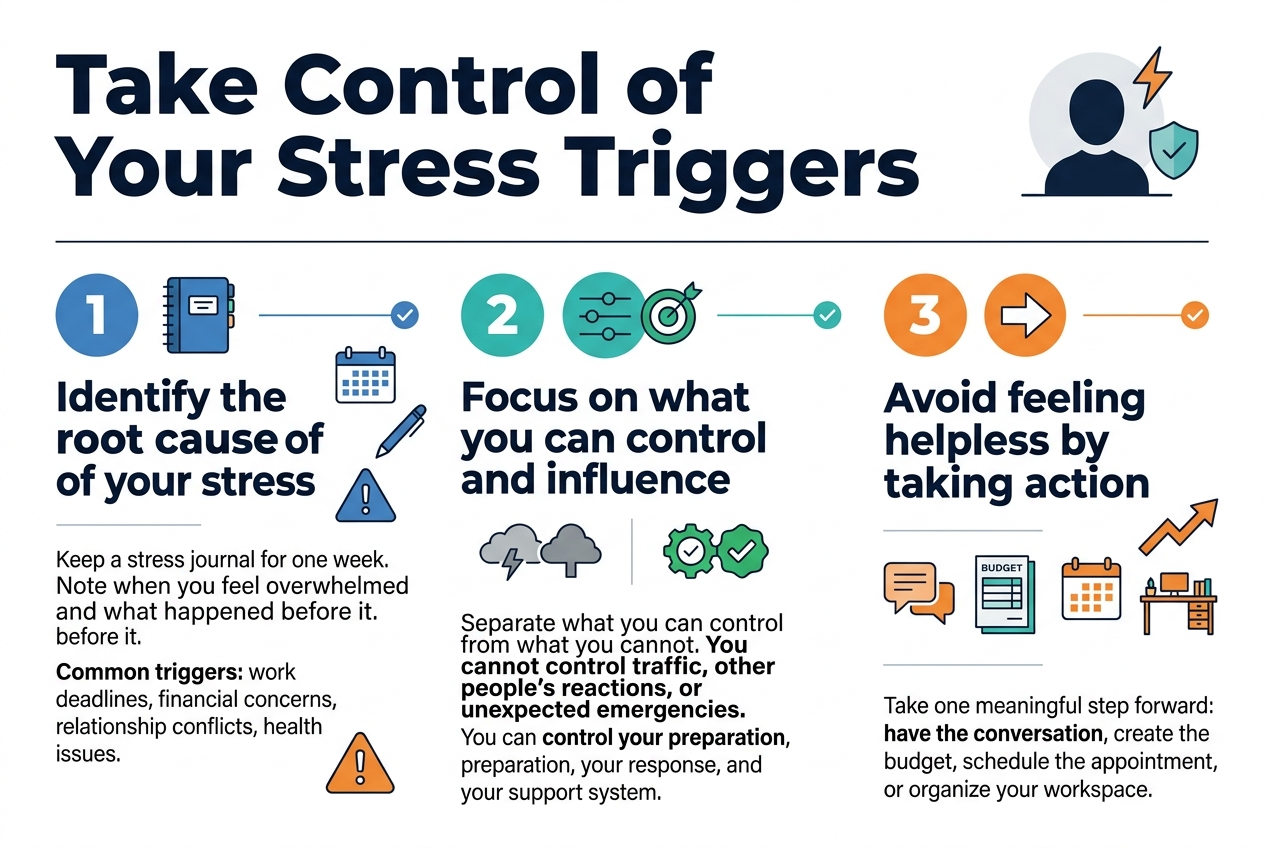
The first step to feeling better when stressed is to identify the cause. Understanding what triggers your stress response is fundamental to developing effective stress management techniques. Many people find themselves overwhelmed without truly recognizing the specific situations, people, or circumstances that create their anxiety. Taking time to examine your daily routines, relationships, and responsibilities can reveal patterns that contribute to your stress levels.
Start by keeping a stress journal for a week, noting when you feel most overwhelmed and what events preceded those feelings. This practice helps you recognize whether your stress stems from work deadlines, financial concerns, relationship conflicts, or health issues. Once you can name your stressors, you’re already taking the first crucial step toward stress relief methods that actually work.
Focus on what you can control and influence
Being in control of your situation is a key to good stress management. The feeling of loss of control is one of the main causes of stress and lack of well-being. When facing overwhelming circumstances, it’s essential to concentrate on the things you do have control over, especially when changing a difficult situation isn’t possible.
Create a clear distinction between what you can and cannot influence. You cannot control traffic delays, other people’s reactions, or unexpected emergencies, but you can control how you prepare for challenges, your response to setbacks, and the support systems you build. This shift in perspective transforms your approach to stress and anxiety management from reactive to proactive.
Avoid feeling helpless by taking action
Not taking control of a situation and doing nothing can make your problems worse. The act of taking control is empowering and crucial for finding solutions. Even small actions can help break the cycle of feeling overwhelmed and restore your sense of agency.
When stress feels insurmountable, focus on taking one meaningful step forward. This might involve having a difficult conversation, creating a budget, scheduling a doctor’s appointment, or simply organizing your workspace. These actions demonstrate healthy stress management principles by moving you from a state of paralysis to one of purposeful engagement with your challenges.
Build Strong Social Connections for Support
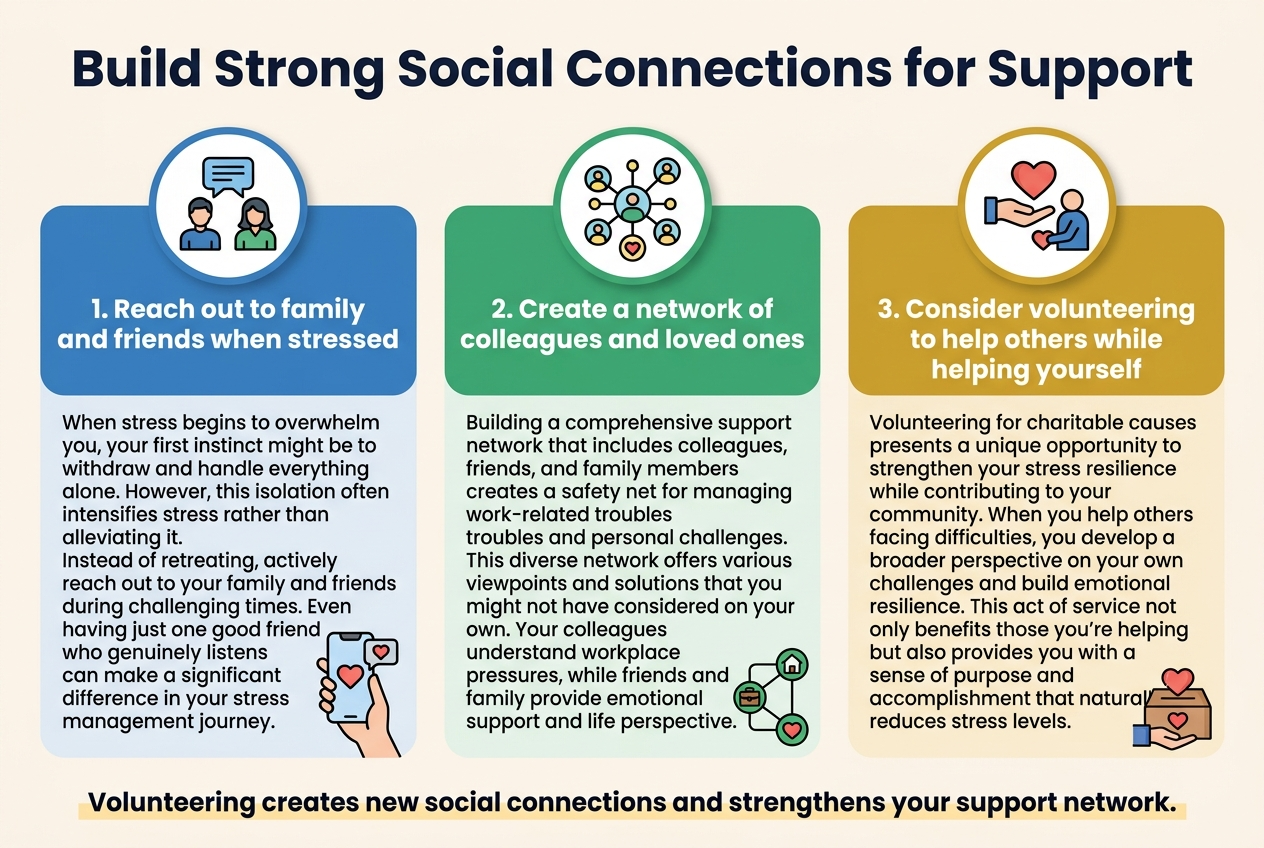
Reach out to family and friends when stressed
When stress begins to overwhelm you, your first instinct might be to withdraw and handle everything alone. However, this isolation often intensifies stress rather than alleviating it. Instead of retreating, actively reach out to your family and friends during challenging times. Even having just one good friend who genuinely listens can make a significant difference in your stress management journey.
Social contact serves as a powerful stress reliever because it provides immediate distraction from your worries while offering emotional support. When you connect with loved ones, you’re not just sharing your burden – you’re also gaining access to different perspectives that can help you navigate life’s inevitable ups and downs more effectively.
Create a network of colleagues and loved ones
Building a comprehensive support network that includes colleagues, friends, and family members creates a safety net for managing work-related troubles and personal challenges. This diverse network offers various viewpoints and solutions that you might not have considered on your own. Your colleagues understand workplace pressures, while friends and family provide emotional support and life perspective.
A well-established support system becomes invaluable when implementing stress management techniques in your daily routine. Talking through problems with trusted individuals often leads to discovering practical solutions while simultaneously reducing the emotional weight of your concerns.
Consider volunteering to help others while helping yourself
Volunteering for charitable causes presents a unique opportunity to strengthen your stress resilience while contributing to your community. When you help others facing difficulties, you develop a broader perspective on your own challenges and build emotional resilience. This act of service not only benefits those you’re helping but also provides you with a sense of purpose and accomplishment that naturally reduces stress levels.
The act of volunteering creates new social connections while reinforcing existing ones, further expanding your support network for effective stress and anxiety management.
Practice Meditation and Mindfulness Daily
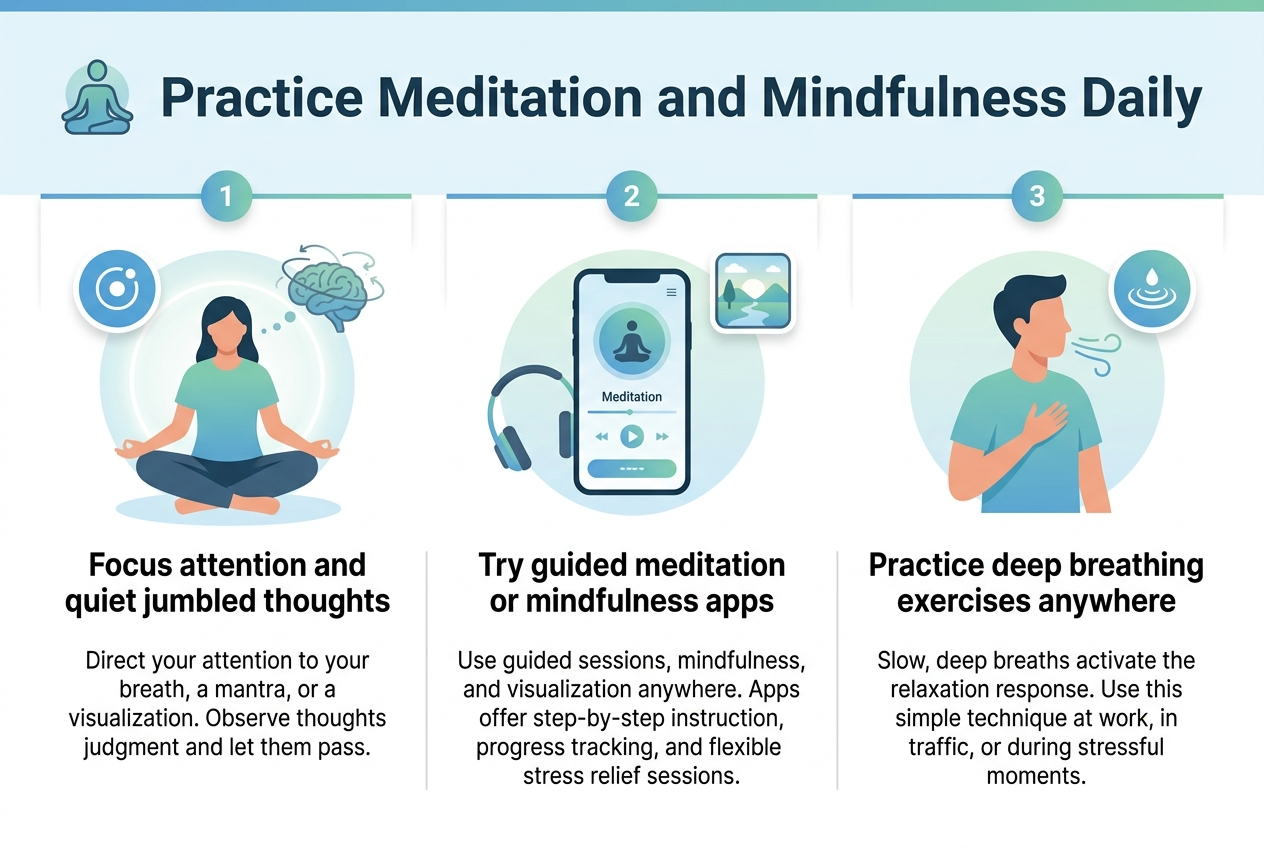
Focus attention and quiet jumbled thoughts
Meditation serves as one of the most effective stress management techniques by helping you focus your attention and quiet the stream of jumbled thoughts that may be crowding your mind and causing stress. When your mind is overwhelmed with racing thoughts, worries, and mental chatter, meditation provides a structured approach to calm this internal chaos. During meditation practice, you deliberately direct your attention away from stressful thoughts and toward a single point of focus, whether it’s your breath, a mantra, or a specific visualization.
This focused attention creates a mental space where you can step back from overwhelming thoughts and gain perspective on your stressors. Rather than being caught up in the whirlwind of anxious thinking, meditation allows you to observe your thoughts without judgment and let them pass naturally. The practice of quieting jumbled thoughts through meditation can give you a sense of calm, peace, and balance, benefiting both your emotional well-being and overall health.
Try guided meditation or mindfulness apps
Now that we’ve established how meditation helps quiet mental chaos, exploring guided meditation options makes the practice more accessible for beginners and experienced practitioners alike. You can practice guided meditation, guided imagery, mindfulness, and visualization anywhere, at any time, making these stress reduction strategies incredibly convenient for modern lifestyles.
Guided meditation provides structured instruction that leads you through the meditation process step by step. This approach is particularly helpful when you’re learning how to manage stress through meditation, as it removes the guesswork and provides clear direction. Guided imagery combines meditation with visualization techniques, helping you create mental pictures that promote relaxation and stress relief.
To make meditation even more accessible, try an app to learn how to do these exercises. Meditation apps offer a variety of guided sessions, from brief five-minute stress relief sessions to longer, more comprehensive mindfulness programs. These digital tools provide expert instruction, progress tracking, and the flexibility to practice healthy stress management techniques whenever your schedule allows.
Practice deep breathing exercises anywhere
With this in mind, deep breathing exercises represent one of the most practical and immediate stress management tips you can implement. You can practice deep breathing exercises anywhere to help alleviate stress, making this technique perfect for on-the-spot stress relief methods when you can’t access a quiet meditation space.
Deep breathing exercises work by activating your body’s relaxation response, which naturally counteracts the stress response. When you’re coping with stress, your breathing often becomes shallow and rapid. By consciously slowing and deepening your breath, you signal to your nervous system that it’s safe to relax. This natural stress relief technique can be performed discreetly in any environment – whether you’re at work, in traffic, or facing a challenging situation.
The beauty of deep breathing as a stress and anxiety management tool lies in its immediate accessibility. Unlike other stress management for adults that might require specific equipment or environments, deep breathing requires only your conscious attention and can provide instant relief from mounting tension and anxiety.
Fuel Your Body with Healthy Nutrition
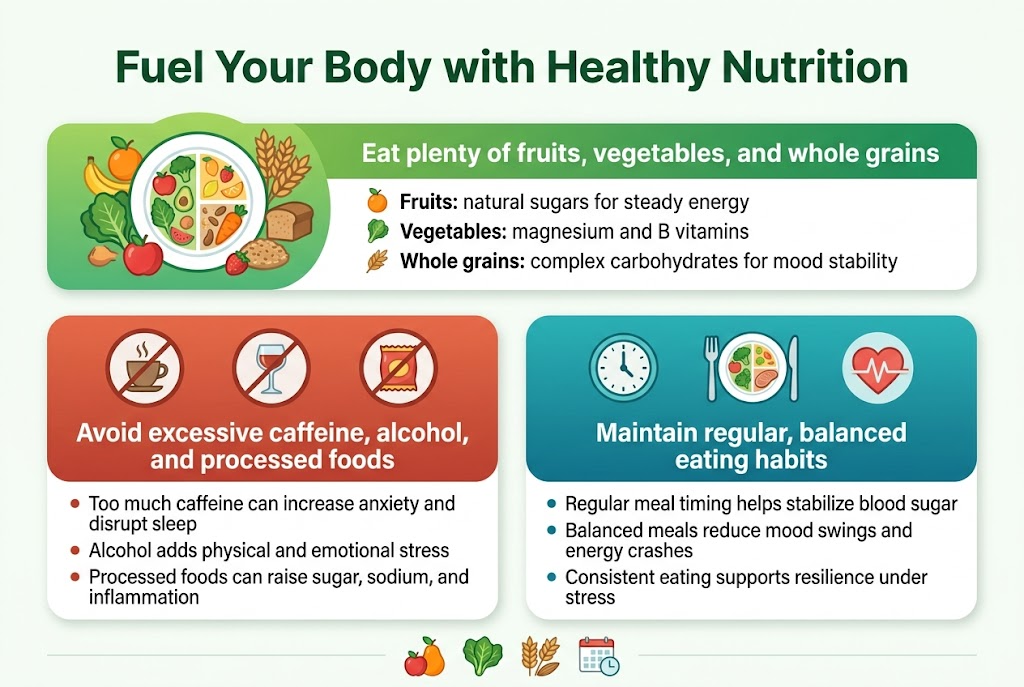
Eat plenty of fruits, vegetables, and whole grains
When implementing stress management techniques, your dietary choices play a crucial role in how your body responds to daily pressures. A diet rich in fruits, vegetables, and whole grains provides essential nutrients that support your nervous system and help maintain stable energy levels throughout the day. These nutrient-dense foods contain vitamins, minerals, and antioxidants that combat the physical effects of stress on your body.
Fruits offer natural sugars that provide steady energy without the dramatic spikes and crashes associated with processed foods. Vegetables supply vital nutrients like magnesium and B vitamins, which are often depleted during stressful periods. Whole grains contribute complex carbohydrates that help regulate serotonin production, supporting mood stability and natural stress relief.
Avoid excessive caffeine, alcohol, and processed foods
While exploring healthy stress management strategies, it’s essential to recognize that certain substances can actually amplify stress levels rather than provide relief. Excessive caffeine consumption can trigger anxiety-like symptoms and disrupt sleep patterns, making it harder to cope with daily stressors. Similarly, alcohol might seem to offer temporary stress relief, but it ultimately creates additional physical and emotional burdens on your system.
Processed foods often contain high levels of sugar, sodium, and artificial additives that can destabilize blood sugar levels and increase inflammation in the body. These unhealthy habits might provide momentary comfort, but they won’t solve underlying stress-related problems and can create new health complications over time.
Maintain regular, balanced eating habits
Consistent eating patterns form a cornerstone of effective stress and anxiety management. Regular meal timing helps stabilize blood sugar levels, preventing the mood swings and energy crashes that can exacerbate stress responses. When you maintain balanced eating habits, you’re supporting your body’s natural ability to handle challenging situations with greater resilience.
Prioritize Quality Sleep for Recovery
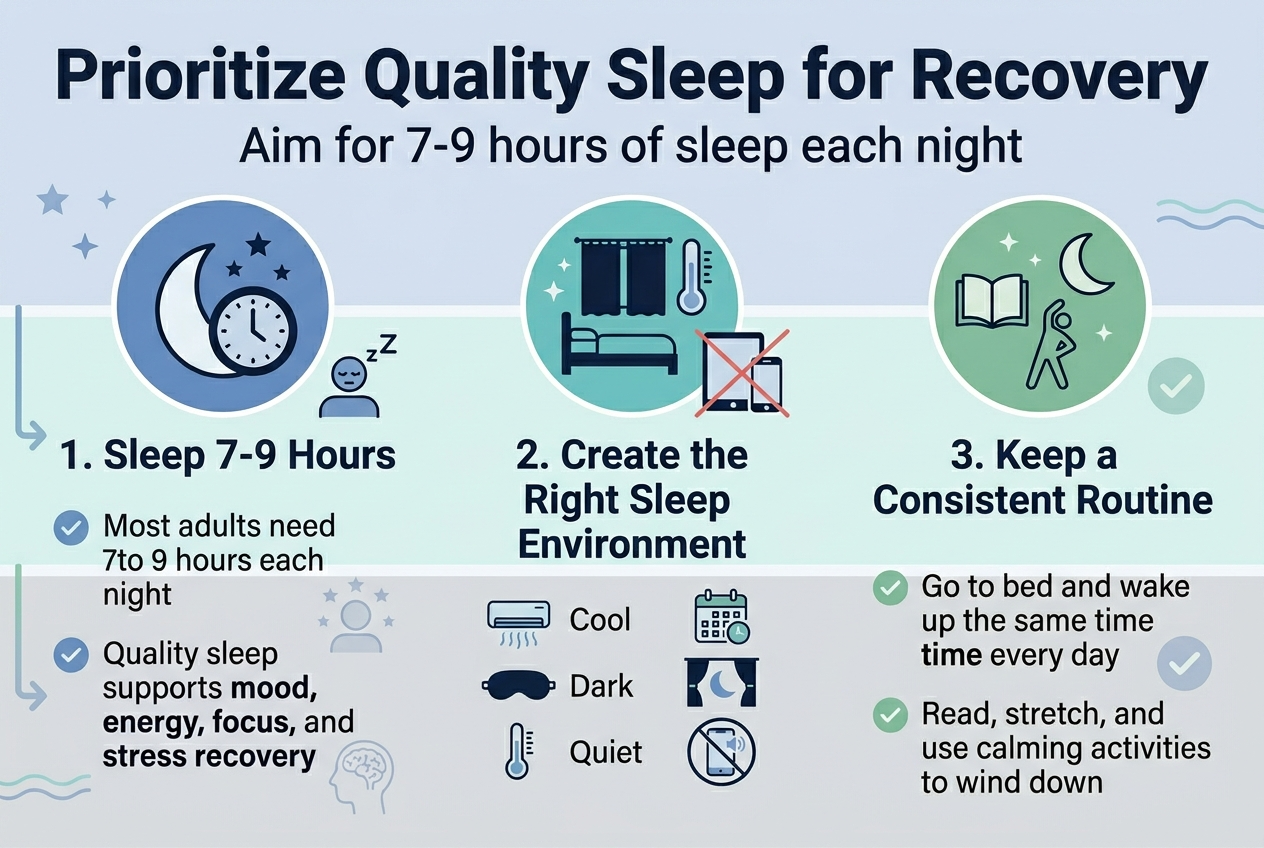
Aim for 7-9 hours of sleep each night
Quality sleep serves as one of the most powerful stress management techniques available to adults. Most adults need about 7 to 9 hours of sleep each night for the brain and body to recharge effectively. This adequate sleep duration allows your nervous system to reset and process the day’s stressors, making it an essential component of any comprehensive stress relief method.
How well and how long you sleep can affect your mood, energy level, focus, and overall functioning throughout the day. When you consistently achieve the recommended sleep duration, you’ll notice improved emotional regulation and enhanced ability to cope with daily stressors. Sleep deprivation, on the other hand, can amplify stress responses and make even minor challenges feel overwhelming.
Create a quiet, dark, and cool sleep environment
Your sleep environment plays a crucial role in determining sleep quality and supporting natural stress relief. Ensure your sleep area is cool, dark, and quiet to optimize your body’s natural sleep processes. A cool temperature helps facilitate the natural drop in body temperature that signals bedtime to your brain.
Darkness is equally important as it supports melatonin production, your body’s natural sleep hormone. Consider blackout curtains or eye masks if external light sources interfere with your sleep space. Maintaining a quiet environment minimizes sleep disruptions that can leave you feeling stressed and unrested the following day.
Put phones and tablets away from your sleeping area, as the blue light emission from these devices can interfere with your circadian rhythm and delay sleep onset. This simple change can significantly improve both sleep quality and your overall stress and anxiety management.
Establish a consistent bedtime routine
If you have sleep troubles, establish a quiet, relaxing bedtime routine that signals to your body it’s time to wind down. A consistent routine helps regulate your internal clock and creates predictable patterns that support healthy stress management for adults.
Stick to a regular sleep schedule by going to bed and waking up at the same time each day, even on weekends. This consistency reinforces your body’s natural circadian rhythm and improves sleep quality over time. Your bedtime routine might include activities like reading, gentle stretching, or other calming practices that help transition your mind from the day’s stressors to a restful state.
Learn to Set Boundaries and Say No
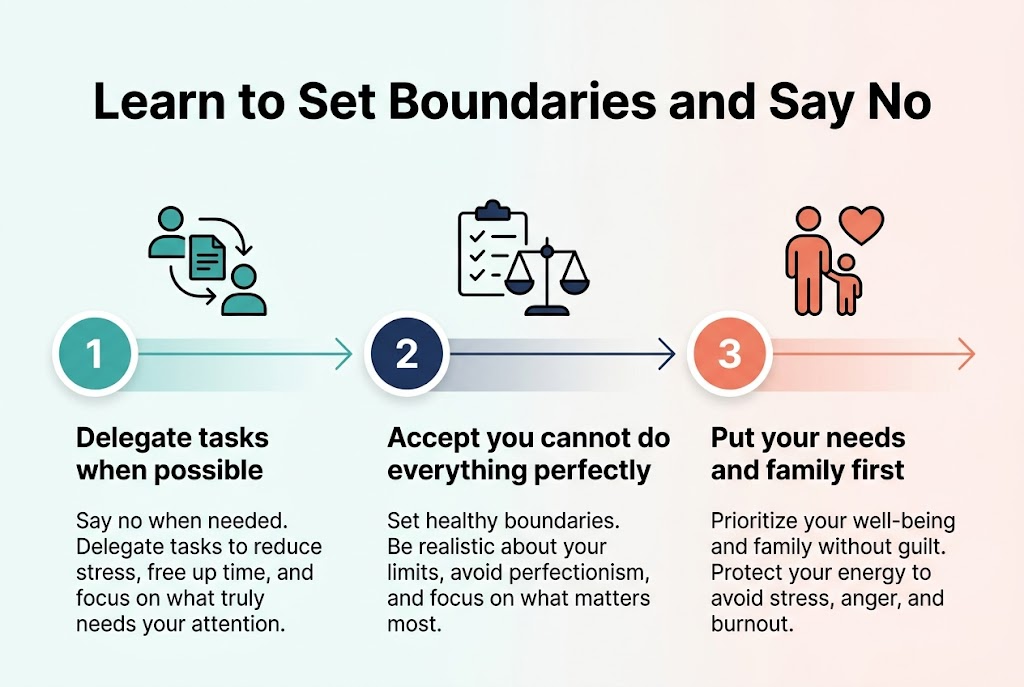
Delegate tasks when possible
Learning to say no or being willing to delegate tasks can help manage your to-do list and stress effectively. One of the most powerful stress management techniques involves recognizing that you don’t need to handle every responsibility personally. When you delegate tasks appropriately, you create space in your schedule for the activities that truly require your attention and expertise.
Work smarter by prioritizing tasks that make a real difference and accepting that you won’t have time for everything. Delegation isn’t about shirking responsibility—it’s about strategic stress reduction strategies that allow you to focus your energy where it matters most. Whether at work or home, identify tasks that others can handle competently, freeing you to concentrate on your core responsibilities.
Accept you cannot do everything perfectly
Healthy boundaries are important in a wellness journey, as everyone has physical and emotional limits. Accepting that perfection isn’t achievable in every aspect of your life is crucial for effective stress and anxiety management. This mindset shift represents one of the most liberating natural stress relief methods available.
When you acknowledge your limitations, you release yourself from the unrealistic pressure to excel at everything simultaneously. This acceptance doesn’t mean lowering your standards—it means being realistic about what you can accomplish while maintaining your mental and physical well-being. Remember that striving for excellence in select areas often yields better results than spreading yourself too thin across numerous commitments.
Put your needs and family first
Saying yes to everything may cause inner conflict because your needs and those of your family come second, leading to stress, anger, and resentment. This is why learning how to manage stress effectively requires prioritizing your needs and those closest to you. Healthy stress management for adults involves making conscious decisions about where to invest your time and energy.
Prioritize your needs without guilt—this isn’t selfish but necessary for sustainable stress management tips. When you consistently put others’ demands before your own well-being, you create a cycle of burnout that ultimately serves no one well. By establishing clear priorities that honor your personal and family commitments first, you create a foundation for better coping with stress in all areas of your life.
Express Yourself Through Creative Outlets
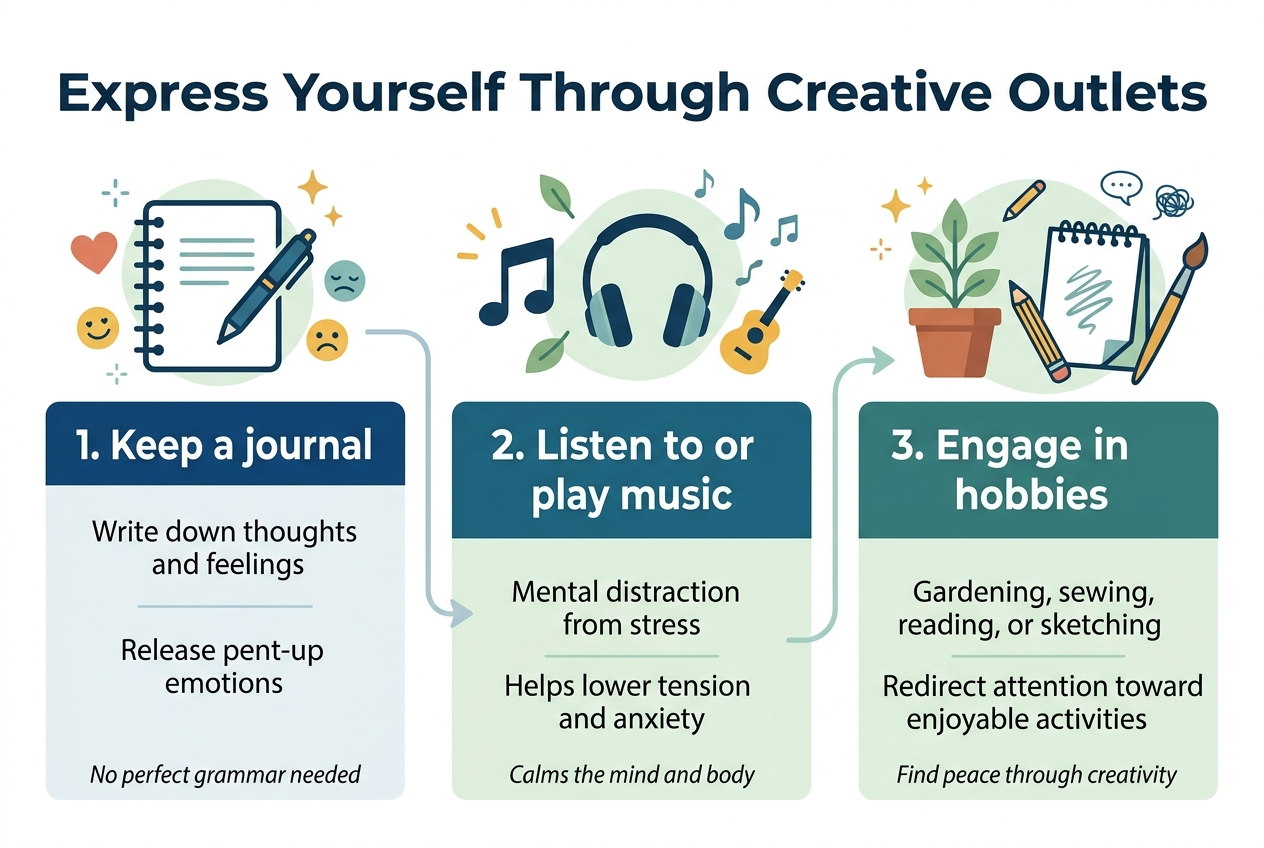
Keep a journal to release pent-up emotions
Keeping a journal to write down your thoughts and feelings serves as one of the most accessible and powerful stress management techniques for releasing pent-up emotions. This simple practice creates a safe space where you can freely express whatever weighs on your mind without judgment or external pressure. The beauty of journaling lies in its complete freedom from perfection – don’t worry about perfect grammar or spelling; just let your thoughts flow naturally onto the page.
When stress accumulates throughout your day, it often builds up internal emotional pressure that needs an outlet. Writing provides this essential release valve, allowing you to transfer overwhelming feelings from your mind to paper. This process of emotional dumping can immediately reduce the intensity of stress and anxiety you’re experiencing. The act of putting pen to paper helps clarify confusing emotions and provides perspective on challenging situations that may feel insurmountable when trapped in your head.
Listen to or play music for mental distraction
Music stands out as an exceptionally effective stress relief method that works on multiple levels simultaneously. Listening to or playing music provides mental distraction from stress-inducing thoughts while creating measurable physiological benefits. This natural stress management technique actively lessens muscle tension throughout your body and helps lower stress hormones that contribute to anxiety and overwhelm.
The power of music for stress reduction lies in its ability to shift your mental focus away from stressful circumstances toward something enjoyable and engaging. Whether you’re listening to calming instrumental pieces, upbeat songs that boost your mood, or actively playing an instrument, music creates a therapeutic escape from daily pressures. This mental distraction gives your nervous system time to reset and recover from stress responses.
Engage in hobbies like gardening or sketching
If music isn’t your preferred creative outlet, numerous other hobbies can provide equally effective stress relief benefits. Activities like gardening, sewing, reading, or sketching offer alternative ways to engage your mind in positive, productive pursuits that naturally counteract stress. These creative outlets serve as healthy coping mechanisms that redirect your attention toward fulfilling activities rather than dwelling on stress-inducing thoughts.
Gardening provides a unique combination of physical activity, connection with nature, and the satisfaction of nurturing growth. Sketching engages your visual creativity while requiring focused concentration that naturally pushes worries aside. Each of these hobbies creates a meditative state where time seems to slow down, allowing your mind to find peace through purposeful engagement with enjoyable activities.
Challenge Yourself with Positive Goals
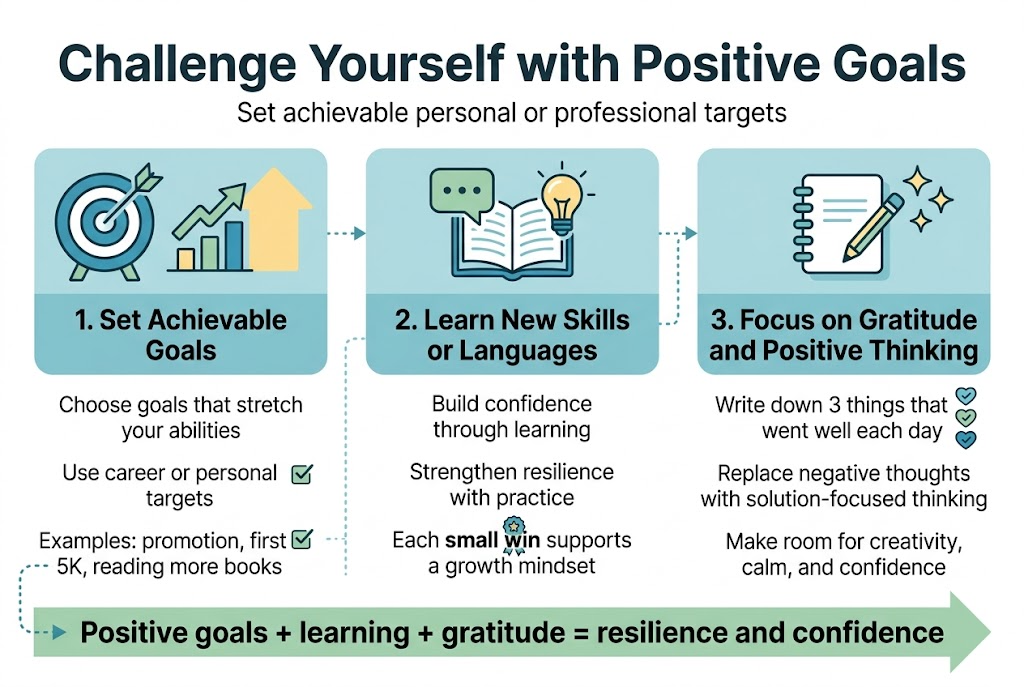
Set achievable personal or professional targets
Now that we have covered the importance of establishing boundaries, setting positive goals emerges as one of the most effective stress management techniques for building resilience and confidence. When you challenge yourself with achievable targets, whether in your career or personal life, you create a sense of purpose and direction that naturally counteracts stress-inducing feelings of stagnation or overwhelm.
The key to successful goal-setting lies in choosing objectives that stretch your capabilities without becoming overwhelming. These challenges serve as powerful stress reduction strategies because they shift your focus from negative stressors to positive achievements. Whether you’re aiming for a promotion at work, planning to run your first 5K, or committing to read a certain number of books this year, these targets give you something constructive to channel your energy toward.
Learn new skills or languages to build confidence
Learning new skills or languages stands out among natural stress relief methods because it combines mental stimulation with confidence building. This type of challenge engages your mind in productive ways, creating a buffer against stress and anxiety. When you master a new language or develop a fresh skill set, you’re not just adding to your repertoire—you’re proving to yourself that you can overcome obstacles and adapt to new situations.
The process of learning itself becomes a form of healthy stress management. As you progress through different stages of skill acquisition, you develop a growth mindset that helps you approach other life challenges with greater resilience. This confidence boost creates a positive cycle where each small victory reinforces your ability to handle stress effectively.
Focus on gratitude and positive thinking
With this in mind, incorporating gratitude practices into your stress management routine can dramatically shift your perspective from stress-inducing negative thoughts to empowering positive ones. One of the most practical stress management tips involves ending each day by writing down three things that went well or three things for which you’re grateful. This simple practice trains your brain to actively seek positive experiences throughout the day.
Coping with stress becomes significantly easier when you consciously work to replace negative thoughts with more positive thinking patterns. This doesn’t mean ignoring real problems, but rather approaching challenges from a solution-focused mindset. When you actively look for positives in life and acknowledge what’s going well, you create mental space for creative problem-solving rather than getting trapped in cycles of worry and anxiety.
Seek Professional Help When Needed
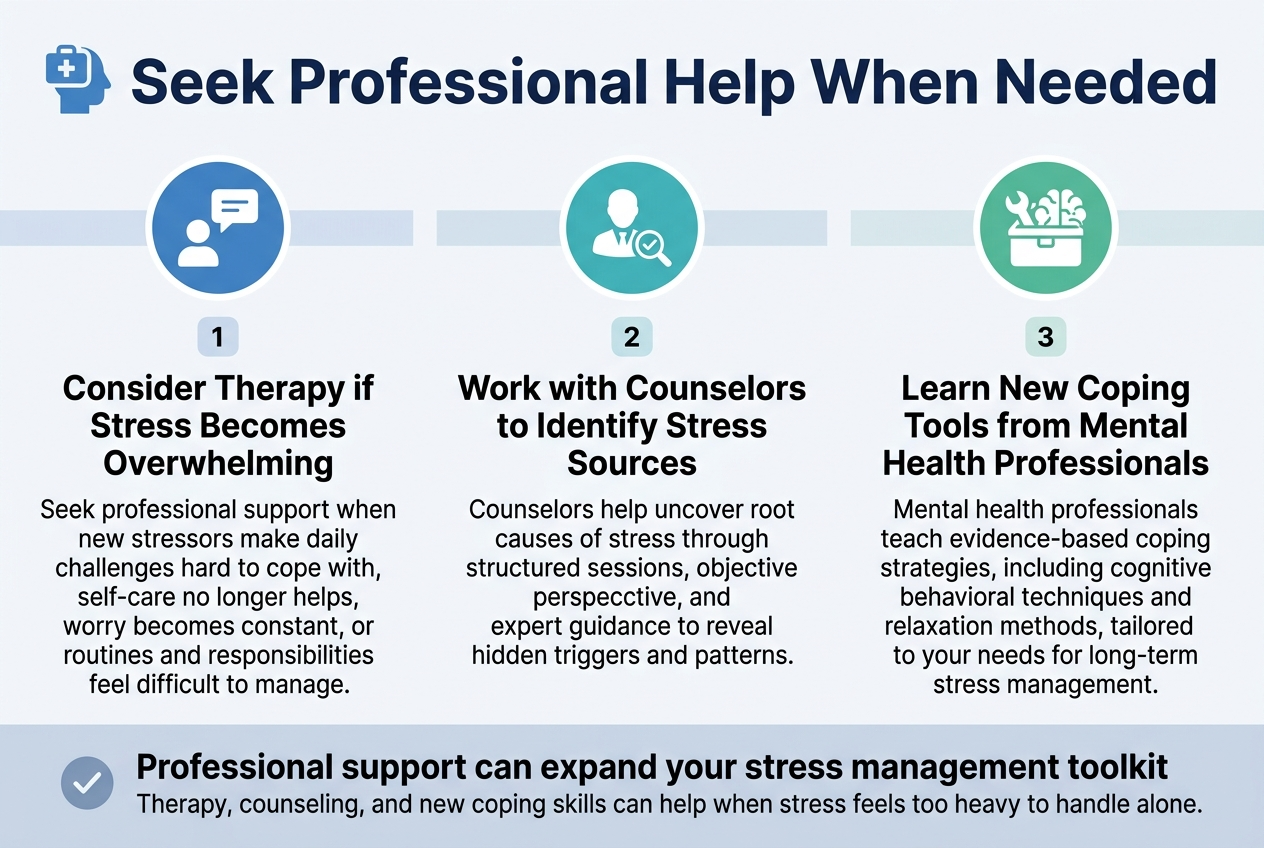
Consider Therapy if Stress Becomes Overwhelming
Knowing when to seek professional support is one of the most important stress management techniques you can master. If you find yourself facing new stressors that make it exceptionally difficult to cope with daily challenges, this may be a clear signal that professional intervention could be beneficial. Similarly, when your tried-and-true self-care measures are no longer providing the stress relief you need, it’s time to consider expanding your support network to include mental health professionals.
Professional therapy becomes particularly valuable when stress reaches overwhelming levels, leaving you feeling trapped or unable to find effective coping strategies on your own. If you notice that worry has become a constant companion, dominating your thoughts throughout the day, or if basic daily routines and meeting your regular responsibilities have become increasingly difficult, these are strong indicators that professional guidance could make a significant difference in your stress management journey.
Work with Counselors to Identify Stress Sources
Professional counselors bring specialized expertise in helping individuals uncover the root causes of their stress. Through structured sessions and proven therapeutic techniques, these mental health professionals can guide you through a comprehensive exploration of your stress triggers, many of which may not be immediately apparent to you.
Working with a counselor provides an objective perspective on your situation, allowing you to gain insights into patterns and sources of stress that might otherwise remain hidden. This collaborative approach to identifying stress sources is particularly valuable because it combines your personal experience with professional training in stress and anxiety management.
Learn New Coping Tools from Mental Health Professionals
Mental health professionals possess extensive knowledge of evidence-based coping strategies and can introduce you to new stress reduction strategies tailored specifically to your unique circumstances. These professionals stay current with the latest research in healthy stress management and can teach you techniques that go beyond basic stress management tips.
Through professional guidance, you’ll gain access to a broader toolkit of coping mechanisms, ranging from cognitive behavioral techniques to specialized relaxation methods. This personalized approach ensures that the strategies you learn are not only effective but also sustainable for long-term stress management success.
Biblical verses to conquer stress
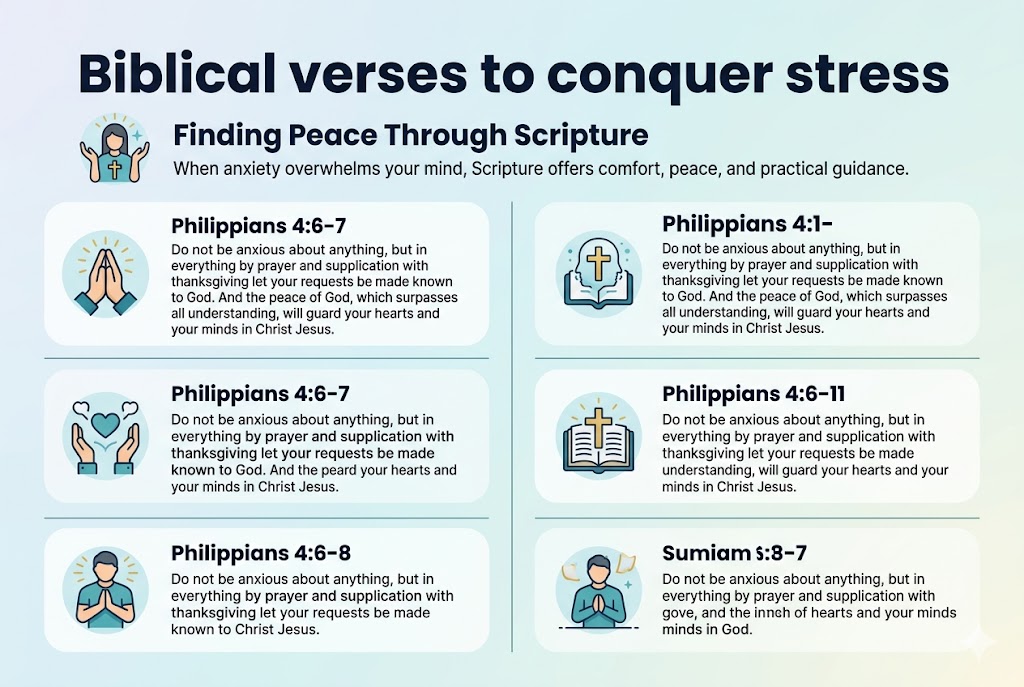
Finding Peace Through Scripture
When anxiety overwhelms your mind and stress feels unbearable, turning to biblical verses can provide powerful comfort and practical stress management techniques. Scripture offers timeless wisdom that addresses the root causes of stress while providing concrete steps for finding peace.
Verses for Immediate Stress Relief
Philippians 4:6-7 serves as one of the most effective stress relief methods: “Do not be anxious about anything, but in every situation, by prayer and petition, with thanksgiving, present your requests to God. And the peace of God, which transcends all understanding, will guard your hearts and your minds in Christ Jesus.” This passage transforms worry into prayer, creating an immediate shift from stress to surrender.
Matthew 11:28-30 offers direct stress management tips from Jesus himself: “Come to me, all you who are weary and burdened, and I will give you rest. Take my yoke upon you and learn from me, for I am gentle and humble in heart, and you will find rest for your souls.” These words remind us that we don’t have to carry life’s burdens alone.
Building Trust to Reduce Anxiety
Proverbs 3:5-6 provides stress reduction strategies by redirecting our focus: “Trust in the Lord with all your heart and lean not on your own understanding; in all your ways submit to him, and he will make your paths straight.” This verse helps break the cycle of overthinking that often fuels stress and anxiety management challenges.
Isaiah 26:3 promises supernatural peace: “You will keep in perfect peace those whose minds are steadfast, because they trust in you.” This natural stress relief approach requires intentional focus on God’s faithfulness rather than our circumstances.
Practical Application for Stress Management
1 Peter 5:7 offers one of the most practical coping with stress techniques: “Cast all your anxiety on him because he cares for you.” This verse teaches us to actively transfer our worries to God, making it an essential part of healthy stress management for adults.
Reading these verses during stressful moments, memorizing key passages, and meditating on their meanings can transform how we handle life’s pressures, providing both immediate relief and long-term stress management solutions.
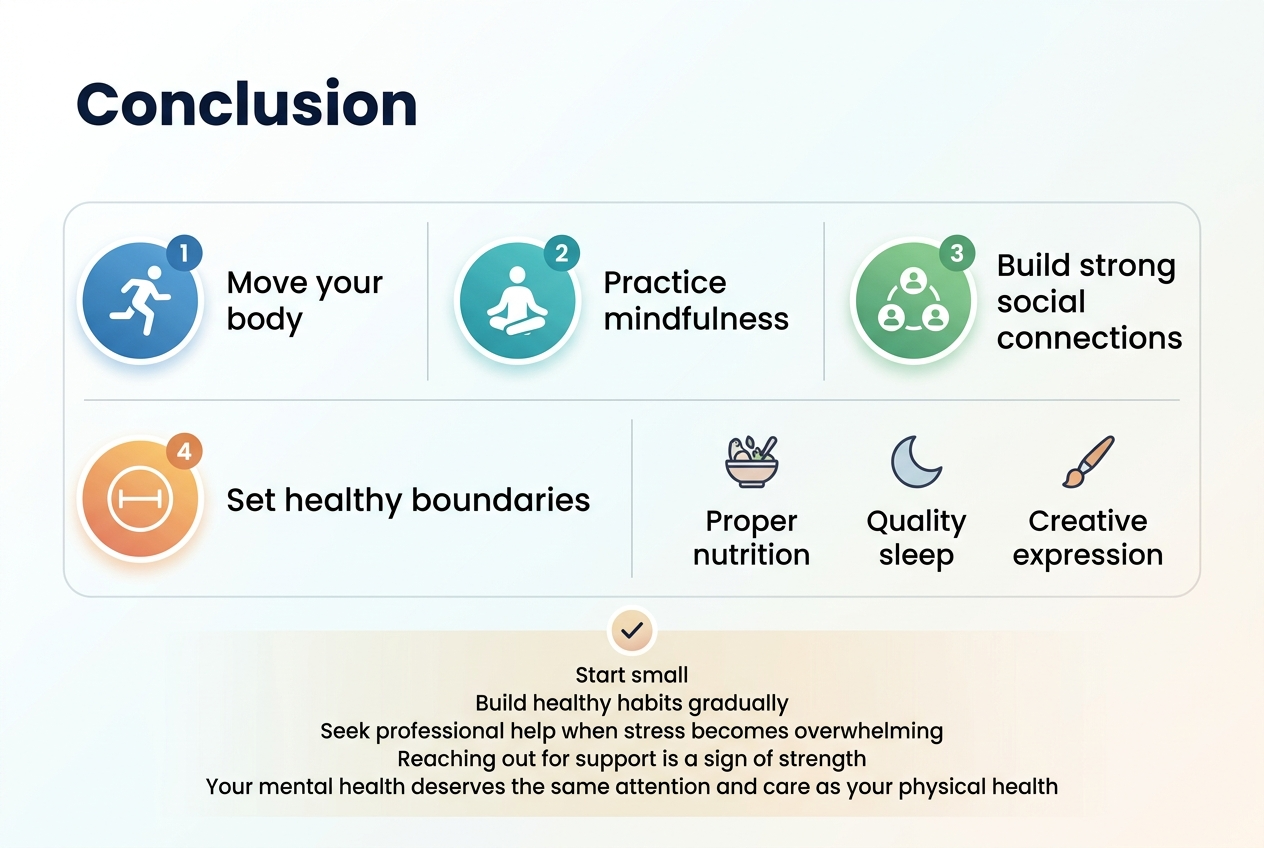
Managing stress effectively requires a multifaceted approach that addresses both your physical and emotional well-being. The ten techniques we’ve explored – from getting your body moving and practicing mindfulness to building strong social connections and setting healthy boundaries – work together to create a comprehensive toolkit for stress relief. Remember that healthy habits like proper nutrition, quality sleep, and creative expression aren’t luxuries but essential components of stress management that help your body and mind recharge.
The key to success lies in finding the combination of techniques that work best for your lifestyle and circumstances. Start small by incorporating one or two strategies into your daily routine, then gradually build upon them as they become natural habits. Most importantly, don’t hesitate to seek professional help when stress becomes overwhelming – taking control of your situation is empowering, and reaching out for support is a sign of strength, not weakness. Your mental health deserves the same attention and care you give to your physical health.