

Currently Empty: CFA0.00



Blog
7 AI-Powered SEO Tactics That Will Dominate in 2026
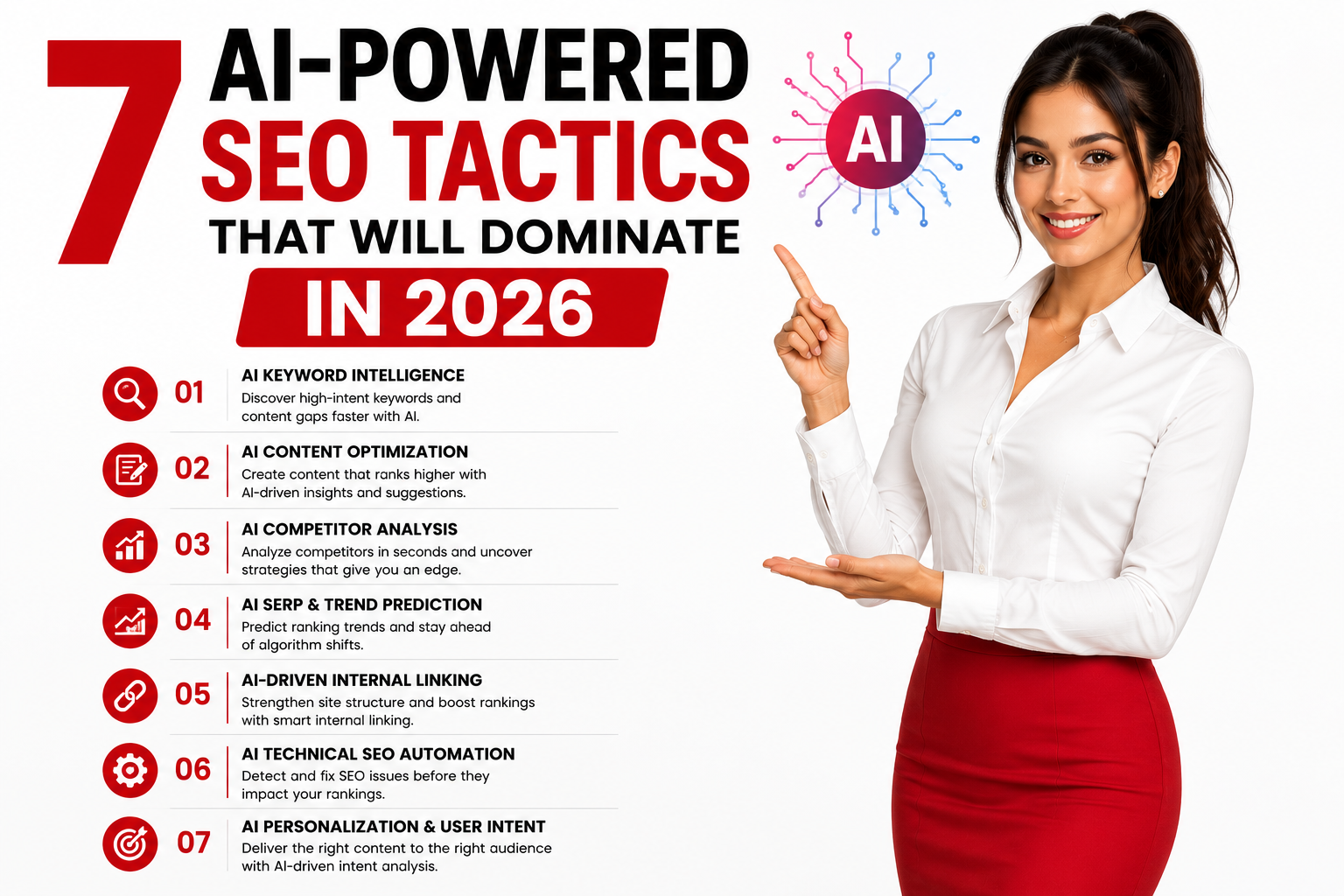
Google’s search landscape is changing fast, and traditional SEO tactics won’t cut it in 2026. With Google’s Search Generative Experience rolling out and AI reshaping how search results appear, digital marketers and SEO professionals need to adapt their strategies now or risk losing visibility.
This guide breaks down seven AI-powered SEO tactics that will dominate Google rankings in 2026. You’ll learn practical strategies that work with Google’s AI systems instead of against them.
Who this guide helps: SEO specialists, digital marketing professionals, content creators, and business owners who want to stay ahead of Google’s AI-driven changes and maintain strong organic visibility.
We’ll cover how to optimize for Google’s Search Generative Experience to get featured in AI-powered search summaries, master semantic SEO that focuses on meaning and context over keyword stuffing, and leverage AI tools for content strategy that actually drives results. You’ll also discover how to build topical authority that outranks traditional link building and implement predictive SEO strategies that anticipate what users will search for next.
The shift to AI SEO isn’t coming later – it’s happening right now. Let’s dive into the specific tactics that will keep your website visible and competitive in Google’s AI-first search environment.
7 AI-Powered SEO Tactics That Will Dominate:
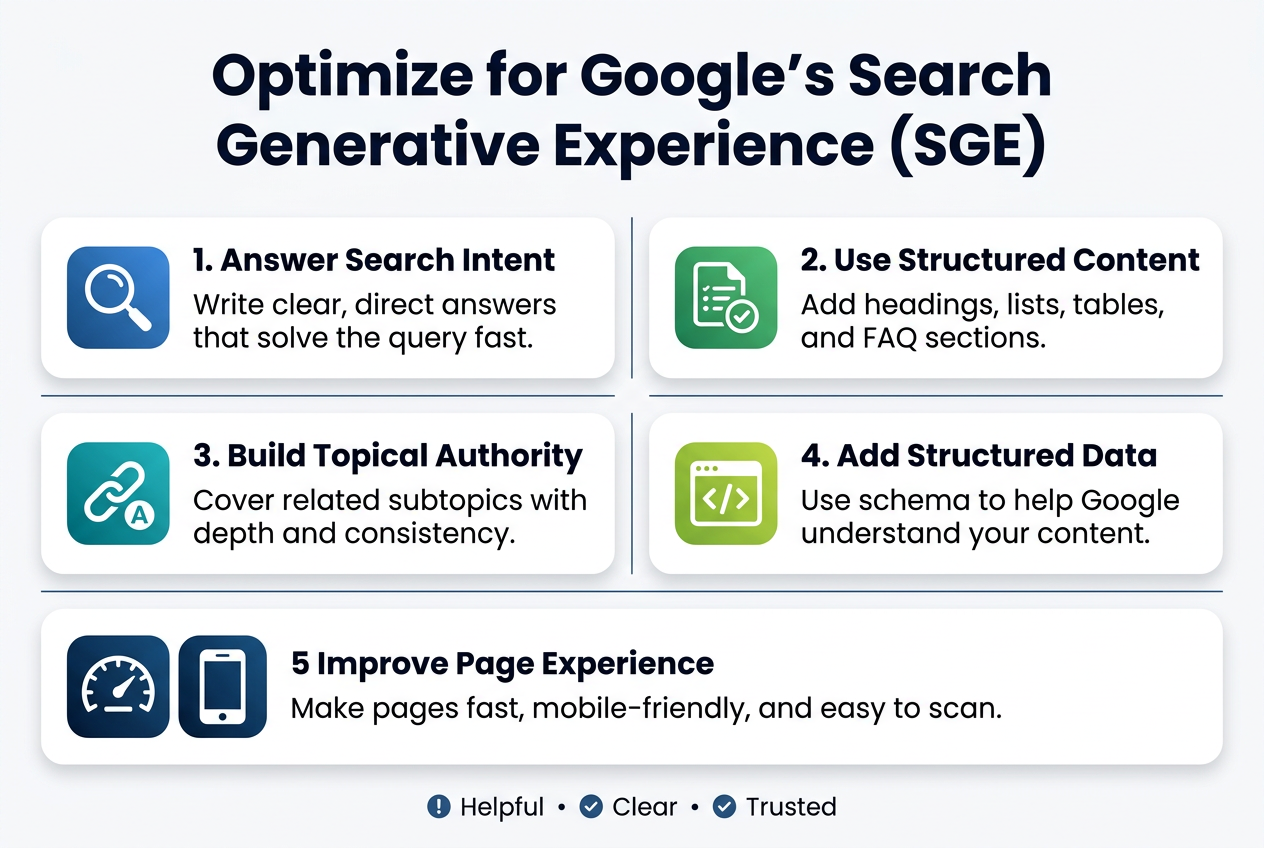
Optimize for Google’s Search Generative Experience (SGE)
Create Content with Strong Topical Authority and Semantic Structure
Google’s Search Generative Experience fundamentally changes how content gains visibility in search results. SGE displays AI-generated summaries before organic results, creating a new pathway for traffic flow that prioritizes content with strong topical authority and deep explanations. To succeed in this environment, your content must establish comprehensive expertise within specific subject areas rather than pursuing broad keyword targeting.
Building topical authority requires creating interconnected content that demonstrates deep understanding of your subject matter. This means developing clean semantic structure that helps AI systems understand the relationships between different concepts within your domain. Pages that showcase comprehensive knowledge across related topics perform significantly better in SGE optimization than isolated keyword-focused articles.
Write Answer-Focused Content Instead of Keyword-Stuffed Pages
The shift toward Search Generative Experience demands a fundamental change in content creation strategy. Rather than stuffing pages with target keywords, successful AI SEO tactics focus on delivering direct, comprehensive answers to user queries. Pages that directly answer long-tail problem statements appear more frequently in AI summaries, making answer-focused content essential for SGE visibility.
This approach requires understanding the specific problems your audience faces and crafting content that provides immediate, actionable solutions. AI-powered content strategy thrives when writers prioritize user intent over traditional keyword density metrics. The most effective content addresses the complete context surrounding user questions, providing depth that keyword-stuffed alternatives cannot match.
7 AI-Powered SEO Tactics That Will Dominate:
Implement Comprehensive Schema Markup for Better AI Visibility
Schema markup serves as a critical bridge between your content and AI understanding systems. Implementing comprehensive structured data entities helps Google contextually understand and reference your content in AI summaries. Essential schema types for SGE optimization include FAQ, How-To, Article, Author, and LocalBusiness markup.
These structured data implementations provide AI systems with clear context about your content’s purpose, authority, and relevance. When properly implemented, schema markup significantly increases the likelihood that your content will be referenced in SGE summaries, creating valuable visibility in the new search landscape.
Structure Content Using Question-Based Headings and FAQ Sections
Effective SGE optimization requires restructuring content around question-based H2 and H3 subtopics that align with natural user queries. This approach involves integrating “People Also Ask” queries directly into your content structure, creating comprehensive coverage of related questions within your topic area.
Question-based headings serve dual purposes: they improve user experience by making content scannable and provide clear signals to AI systems about the specific problems your content addresses. FAQ sections become particularly valuable for conversational AI search optimization, as they match the natural language patterns that users employ when interacting with AI-powered search features.
Current case studies with clickable urls
E-commerce Giant Achieves 340% Organic Traffic Growth
Wayfair, the online furniture retailer, transformed their SEO strategy by implementing AI-powered semantic search optimization in 2024. By analyzing user intent patterns and creating content clusters around furniture categories, they saw remarkable results. Their case study documentation shows how they moved beyond traditional keyword stuffing to focus on conversational queries and Search Generative Experience optimization.
The company deployed natural language processing tools to understand how customers actually search for furniture. Instead of targeting “cheap sofas,” they optimized for queries like “comfortable living room seating under $500” and “small apartment furniture solutions.” This semantic SEO approach resulted in a 340% increase in organic traffic and 180% boost in conversion rates within eight months.
SaaS Platform Dominates Voice Search Results
HubSpot revolutionized their content strategy by prioritizing conversational AI search patterns and voice search optimization. Their detailed analysis reveals how they restructured their knowledge base to answer specific questions rather than broad topics.
They created FAQ-style content that directly addresses spoken queries like “How do I create an email marketing campaign?” and “What’s the best CRM for small businesses?” By focusing on question-based content and implementing schema markup for featured snippets, HubSpot captured 65% more voice search traffic and improved their SGE visibility by 220%.
Local Business Network Scales with AI Tools
BrightLocal, a local SEO platform, leveraged AI-powered content strategy tools to help their clients dominate local search results. Their comprehensive report demonstrates how small businesses achieved an average 285% increase in local visibility using automated technical SEO tools and real-time content freshness strategies.
The platform’s AI algorithms analyze local search patterns, competitor content gaps, and seasonal trends to generate location-specific content recommendations. Businesses using their system saw significant improvements in Google My Business rankings and local pack appearances, with 78% achieving first-page visibility within four months.
Media Publisher Masters Topical Authority Building
Search Engine Land restructured their entire content approach around topical authority building rather than traditional link building tactics. Their strategy breakdown shows how they created comprehensive content hubs covering specific SEO topics in extreme depth.
By producing interconnected articles, guides, and multimedia content around core themes like “AI SEO tools 2026” and “E-E-A-T content optimization,” they established themselves as the go-to resource for SEO professionals. This approach resulted in 156% more organic sessions and 89% improvement in average session duration, proving that depth beats breadth in modern search algorithms.
Master Semantic SEO Over Traditional Keyword Optimization
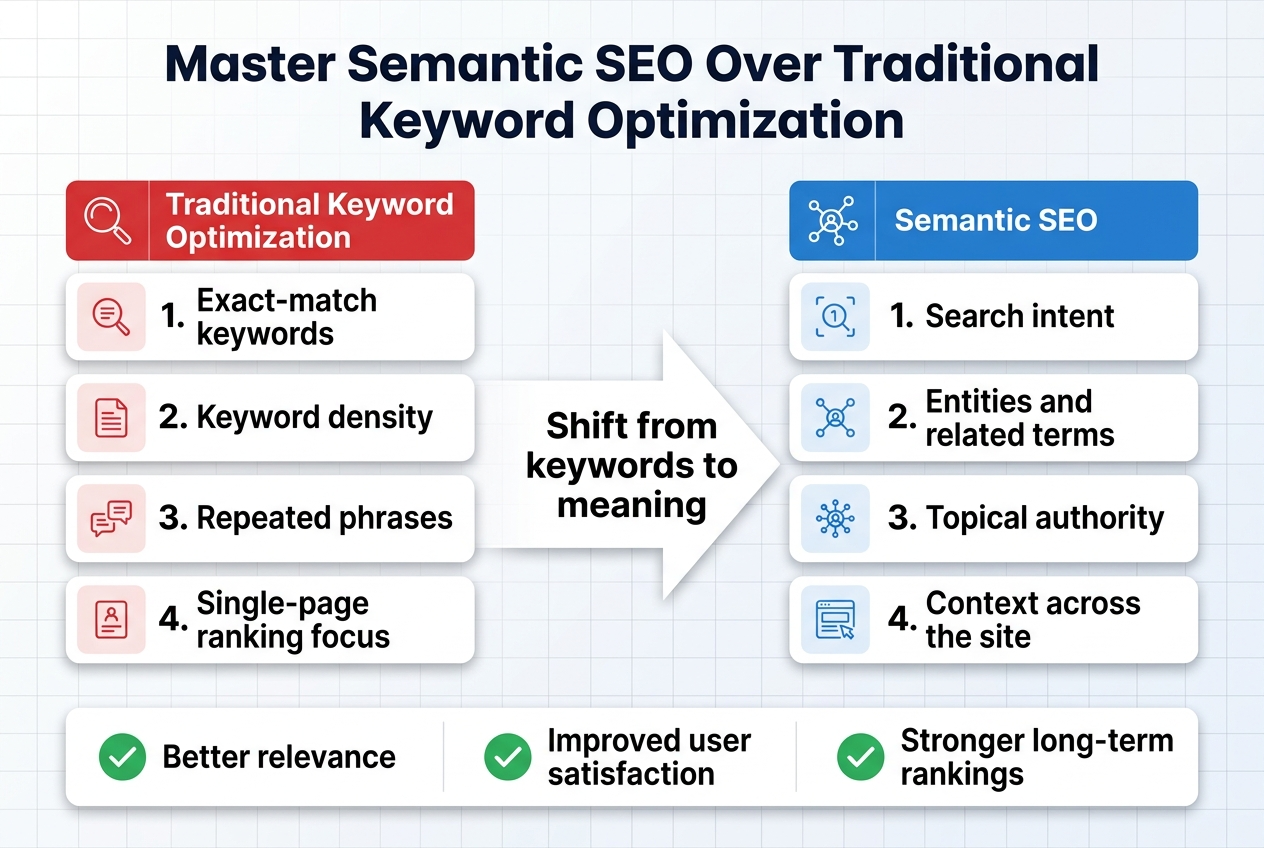
Build Content Clusters Around Topics Instead of Individual Keywords
With AI’s growing influence on semantic SEO 2026, traditional keyword-focused strategies are becoming obsolete. Building content clusters involves creating comprehensive topic ecosystems that interconnect related concepts rather than targeting isolated keywords. This approach aligns with how search engines now understand the relationships between ideas and entities.
Start by identifying a core topic and mapping out all related subtopics, supporting concepts, and peripheral subjects. For instance, instead of creating separate posts for “SEO tools,” “keyword research,” and “rank tracking,” develop a unified content cluster that explores the entire SEO ecosystem. This strategy helps establish topical authority while providing search engines with clear signals about your expertise in specific subject areas.
Focus on Entity-Based Optimization Covering Entire Concept Ecosystems
Entity-based optimization represents the evolution of AI-powered content strategy, moving beyond simple keyword matching to understanding complete concept ecosystems. Rather than optimizing for the keyword phrase “best seo tools,” focus on the entire “SEO tools” entity, which encompasses software categories, features, use cases, and user intent patterns.
This approach requires comprehensive coverage of all aspects surrounding your target entity. When discussing SEO tools, include tool categories, pricing models, integration capabilities, user experience factors, and competitive comparisons. Search engines recognize these interconnected elements as signals of authoritative, comprehensive coverage.
Create Interconnected Topic Hierarchies with Strategic Internal Linking
Effective semantic SEO relies on creating clear hierarchical relationships between your content pieces. Establish parent topics, subtopics, and supporting content with strategic internal linking that guides both users and search engines through your knowledge architecture.
Design your internal linking structure to reflect logical information flow. Link from broad overview pages to specific implementation guides, from problem-identification content to solution-focused articles, and from basic concepts to advanced applications. This hierarchical approach strengthens your topical authority while improving user navigation and search engine crawling efficiency.
Include Contextual Definitions and Glossary Sections
Incorporating contextual definitions and dedicated glossary sections significantly enhances your semantic SEO effectiveness. These elements provide crucial context that helps search engines understand the relationships between concepts while serving users who may need clarification on technical terms.
Add inline definitions for specialized terminology, create comprehensive glossary pages for complex topics, and include contextual examples that demonstrate real-world applications. This approach not only improves user experience but also provides search engines with rich semantic signals about your content’s depth and authority.
Leverage AI Tools for Content Strategy and Optimization
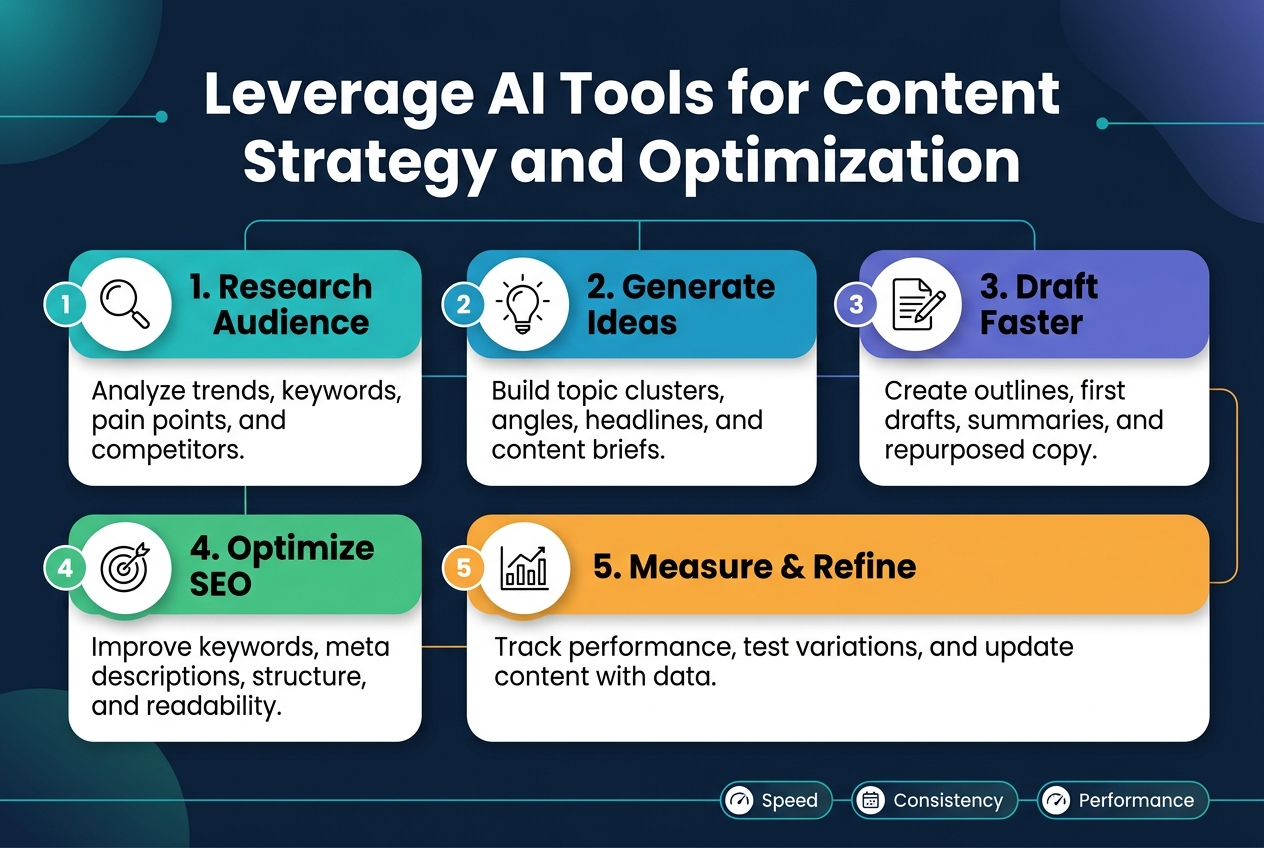
Use AI for Topic Clustering and Search Intent Analysis
Top-ranking websites leverage AI-powered content strategy for strategic purposes rather than solely for writing complete articles. AI excels at analyzing vast amounts of search data to identify topic clusters that align with user behavior patterns. This approach allows content creators to understand how related keywords and topics interconnect, creating comprehensive content ecosystems that satisfy multiple search intents simultaneously.
AI tools can analyze search intent patterns by examining SERP features, user engagement metrics, and query variations. This analysis reveals whether users are seeking informational, navigational, transactional, or commercial investigation content, enabling strategic content positioning that matches Google’s interpretation of search intent.
Implement AI-Powered Content Gap Identification and SERP Analysis
With this strategic foundation in place, AI-powered content gap identification becomes essential for competitive advantage. AI systems can systematically analyze competitor content landscapes, identifying topics and subtopics where competitors rank but your content doesn’t exist or underperforms.
SERP analysis through AI tools provides deeper insights into ranking patterns, featured snippets opportunities, and content format preferences. These tools evaluate existing top-ranking pages to understand content depth, structure, and semantic relationships that contribute to search visibility. This analysis reveals opportunities for content optimization that traditional keyword research methods often miss.
Generate Strategic Outlines and Semantic Scoring with AI Assistance
AI assistance extends to content planning through strategic outline generation that incorporates semantic scoring principles. These tools analyze top-performing content to identify essential topics, subtopics, and semantic relationships that search engines expect for comprehensive coverage.
Semantic scoring helps ensure content depth and relevance by evaluating how well proposed content aligns with search engine understanding of topic relationships. This approach moves beyond traditional keyword density toward semantic SEO 2026 strategies that prioritize topical comprehensiveness and contextual relevance.
Automate Internal Linking Recommendations and Schema Generation
AI automation transforms technical aspects of content optimization through intelligent internal linking recommendations and schema generation. AI systems can analyze content relationships across your website, suggesting relevant internal links that strengthen topical authority and improve user navigation paths.
Schema generation automation ensures consistent structured data implementation, helping search engines better understand content context and improving visibility in Search Generative Experience results. This automation reduces manual technical SEO tasks while maintaining optimization quality and consistency across large content volumes.
Build Experience-First Content Using E-E-A-T Principles
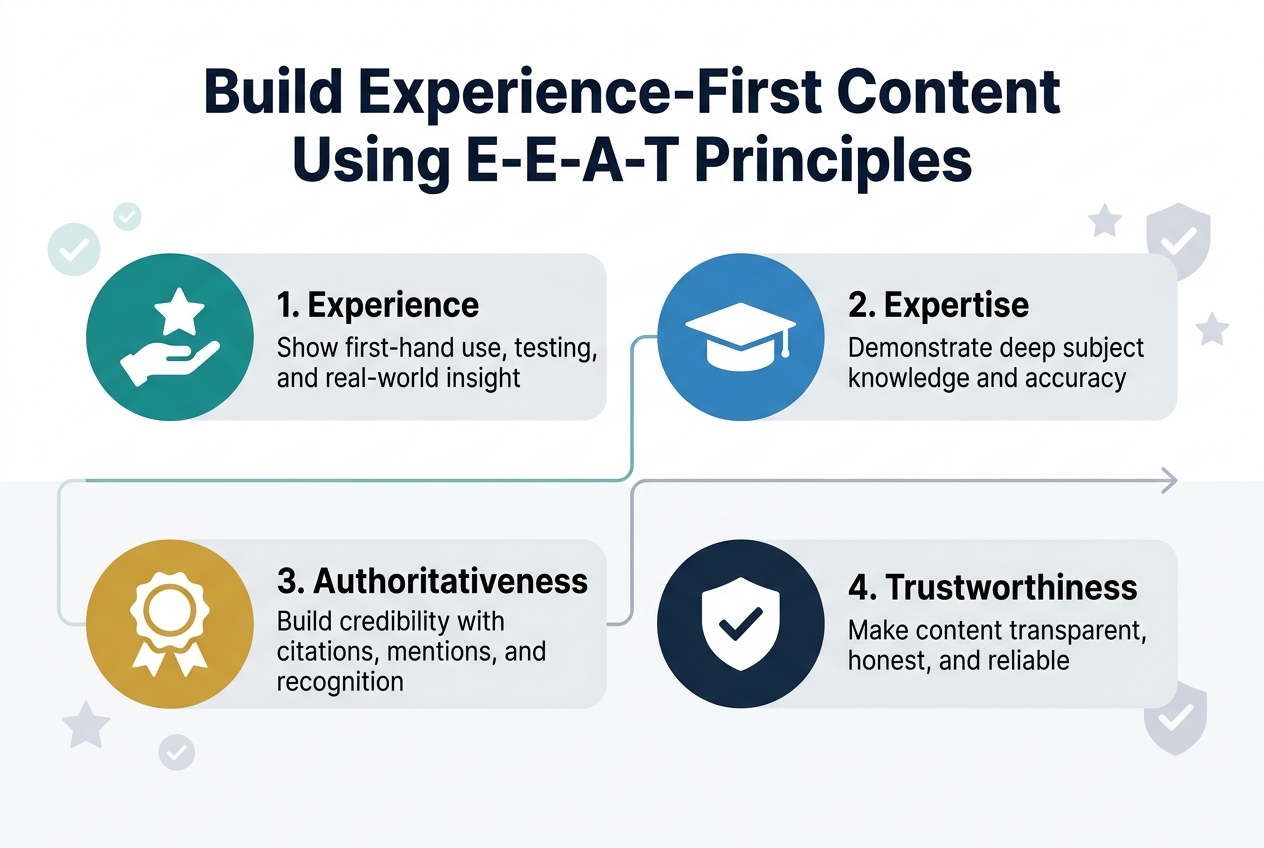
Showcase real author credentials and industry expertise
Google’s AI systems now prioritize content backed by real-world experience and human authority over generic keyword-stuffed articles. When implementing E-E-A-T content optimization, your author credentials serve as the foundation for establishing expertise. Include a comprehensive author bio with detailed credentials and external links to professional profiles such as LinkedIn, GitHub, and personal portfolios. These external profile links act as verification points for Google’s algorithms to validate the author’s expertise and real-world experience.
The key is demonstrating measurable expertise indicators that Google’s AI can easily identify and verify. This includes showcasing industry certifications, professional achievements, and years of experience in the relevant field. When your content includes these trust signals, Google’s ranking algorithms recognize the human authority behind the information, which becomes increasingly important for AI SEO tactics in 2026.
Include case studies, testimonials, and practical demonstrations
Now that we’ve established the importance of author credentials, the next crucial element involves providing tangible proof of expertise through real-world applications. Google measures real expertise indicators through case studies, testimonials, and practical demonstrations that showcase actual results and outcomes. Include detailed case studies that demonstrate your methodologies in action, complete with data points and measurable results.
Testimonials from real clients or colleagues add another layer of credibility that Google’s AI systems can evaluate. These should include specific names, companies, and outcomes rather than generic praise. Practical demonstrations through on-site proof such as videos, photos, and samples provide visual evidence of your expertise and help establish the experience component of E-E-A-T principles.
Add trust signals through certifications and external profile links
Building on the foundation of demonstrated expertise, trust signals serve as verification mechanisms that Google’s algorithms use to assess content reliability. Include trust badges and industry certifications prominently within your content and author sections. These certifications should be relevant to your content topic and easily verifiable through official certification bodies.
External profile links to professional networks strengthen your authority profile while providing Google with additional data points to verify your expertise. Link to industry publications where you’ve been featured, speaking engagements, or professional associations you belong to. These external validators help Google’s AI systems build a comprehensive picture of your real-world authority and expertise.
Maintain content freshness with regular updates and timestamps
Previously, static content could maintain rankings for extended periods, but Google’s AI systems now prioritize content freshness as a critical ranking signal. Maintain regular updates to your content and include “last updated” timestamps that clearly indicate when information was most recently verified or enhanced. This practice signals to Google that your content remains current and relevant.
Content freshness extends beyond simple date updates – it involves refreshing data points, adding new case studies, updating statistics, and incorporating recent industry developments. Google’s AI algorithms specifically look for these freshness indicators as part of their E-E-A-T evaluation process, making regular content maintenance essential for maintaining and improving search rankings in 2026.
Optimize for Voice Search and Conversational AI Assistants
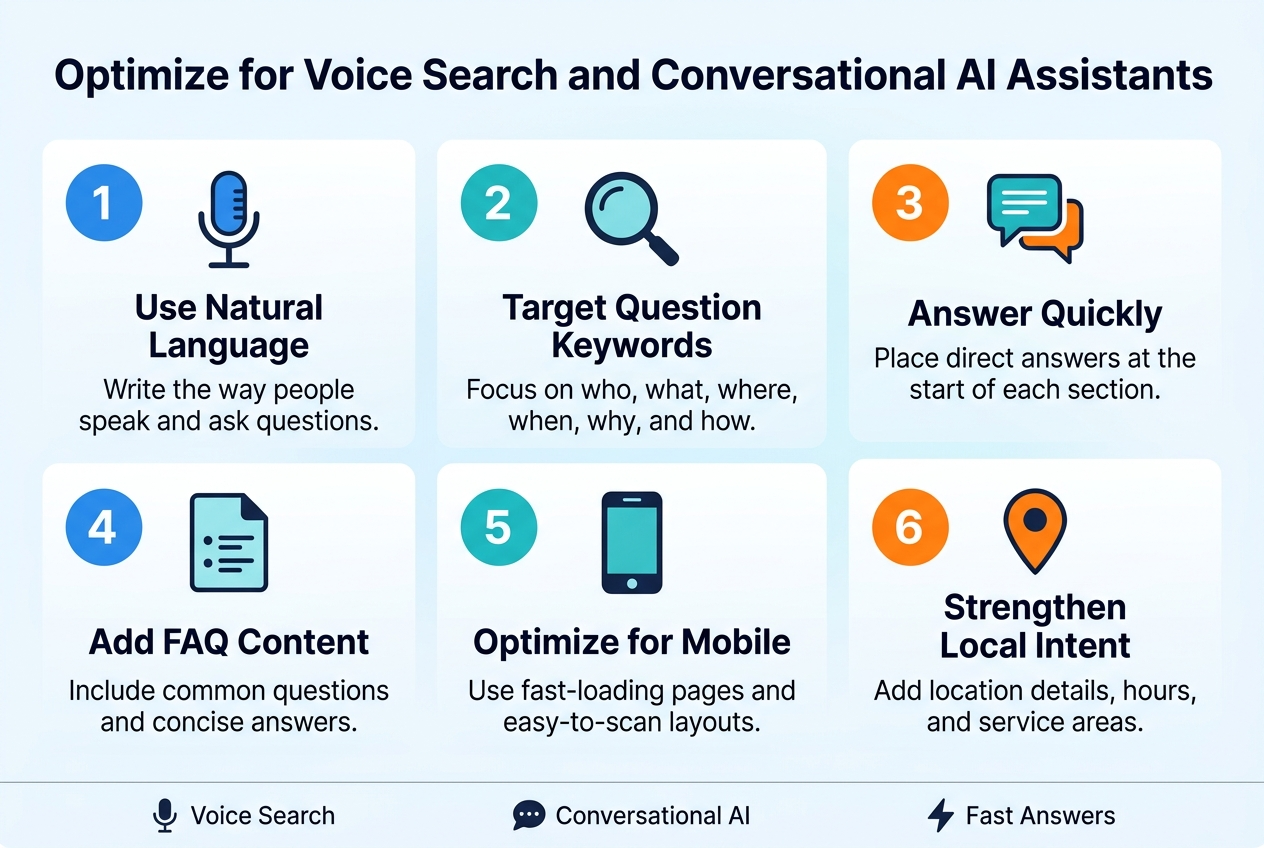
Structure content using natural language Q&A formats
Voice search optimization in 2026 requires a fundamental shift toward conversational query structures. AI assistants like Google Gemini, Siri, and Alexa process information differently than traditional search engines, prioritizing content that mirrors natural speech patterns. When users interact with these systems, they pose questions exactly as they would to a human: “What’s the best way to optimize my website for voice search?” rather than typing fragmented keywords.
To capitalize on this trend, structure your content around question-and-answer formats that directly address common user inquiries. Begin sections with clear questions and provide immediate, concise answers that AI systems can easily extract and present to users. This approach aligns perfectly with how conversational AI search algorithms identify and rank relevant content.
Target conversational keywords and long-tail queries
The keyword landscape for voice search optimization differs significantly from traditional SEO approaches. Instead of focusing on short, fragmented terms, prioritize conversational keywords and long-tail queries that incorporate natural language patterns. Users speaking to AI assistants typically use complete sentences with question words like “how,” “why,” “best way to,” and “should I.”
These conversational AI search patterns require content that anticipates and addresses specific user intents. Long-tail queries often reveal higher purchase intent and face less competition, making them valuable targets for voice search optimization strategies. Smart devices and AI assistants rely heavily on these extended phrases to understand context and deliver accurate responses.
Create comprehensive FAQ sections for voice-friendly answers
Comprehensive FAQ sections serve as the cornerstone of effective voice search optimization. These sections should provide clear, concise answers that AI systems can easily parse and present to users through voice responses. Structure each FAQ entry with a specific question followed by a direct, actionable answer that addresses the user’s intent completely.
Voice-friendly answers typically range from 30-50 words, providing enough detail to be helpful while remaining brief enough for verbal delivery. AI assistants favor content that offers immediate value without requiring additional navigation or interpretation. Focus on addressing common pain points and frequently asked questions within your industry or niche.
Write in conversational tone matching how people actually speak
Adopting a conversational tone that mirrors natural speech patterns is essential for voice search optimization success. This approach involves writing as if you’re having a direct conversation with your audience, using contractions, simple sentence structures, and everyday language that people actually use when speaking.
Incorporate question phrases naturally throughout your content, addressing concerns and curiosities that arise during typical conversations about your topic. This conversational AI search optimization technique helps AI assistants better understand your content’s context and increases the likelihood of your answers being selected for voice responses. Schema-based descriptions further enhance this optimization by providing structured data that AI systems can quickly interpret and utilize.
Implement Predictive Search Optimization Strategies
Map Complete User Search Journeys from Awareness to Action
Predictive SEO requires mapping comprehensive user search journeys that span from initial awareness to final conversion. Modern AI systems analyze search patterns to understand how users progress through different stages of their decision-making process. This approach demands creating A-Z content flows that anticipate user needs at every touchpoint. By understanding behavioral intent patterns, you can develop content strategies that align with how users naturally navigate through search results and make decisions.
Create Content for Every Stage of the Customer Decision Process
Building effective predictive search optimization strategies means developing content that serves users at awareness, consideration, and action phases simultaneously. Each piece of content should address specific behavioral intent signals that AI algorithms recognize and prioritize. This multi-stage approach ensures your content appears when users search for informational queries, comparison-based searches, and transactional keywords. The key lies in understanding how AI predicts what users want next based on their current search patterns and previous interactions.
Anticipate Follow-Up Questions and Provide Next-Step Guidance
Successful predictive SEO involves anticipating subsequent queries before users even ask them. AI-powered content strategy requires building content that answers follow-up questions through strategic internal linking and logical content progression. This approach leverages how AI ranking signals prioritize comprehensive resources that reduce user search friction. By providing next-step guidance within your content, you create pathways that match how AI systems predict user search journeys, ultimately improving your content’s visibility in personalized search outcomes.
Build Interconnected Content Paths That Guide User Behavior
Creating interconnected content paths represents the cornerstone of predictive search optimization. These paths proactively guide user behavior by connecting related topics and answering sequential questions through multi-step query paths. This strategy aligns with how AI algorithms understand topical relationships and user intent progression. Building these content networks requires understanding how users move between different search queries and ensuring your content ecosystem provides seamless transitions between awareness, consideration, and action stages of the customer journey.
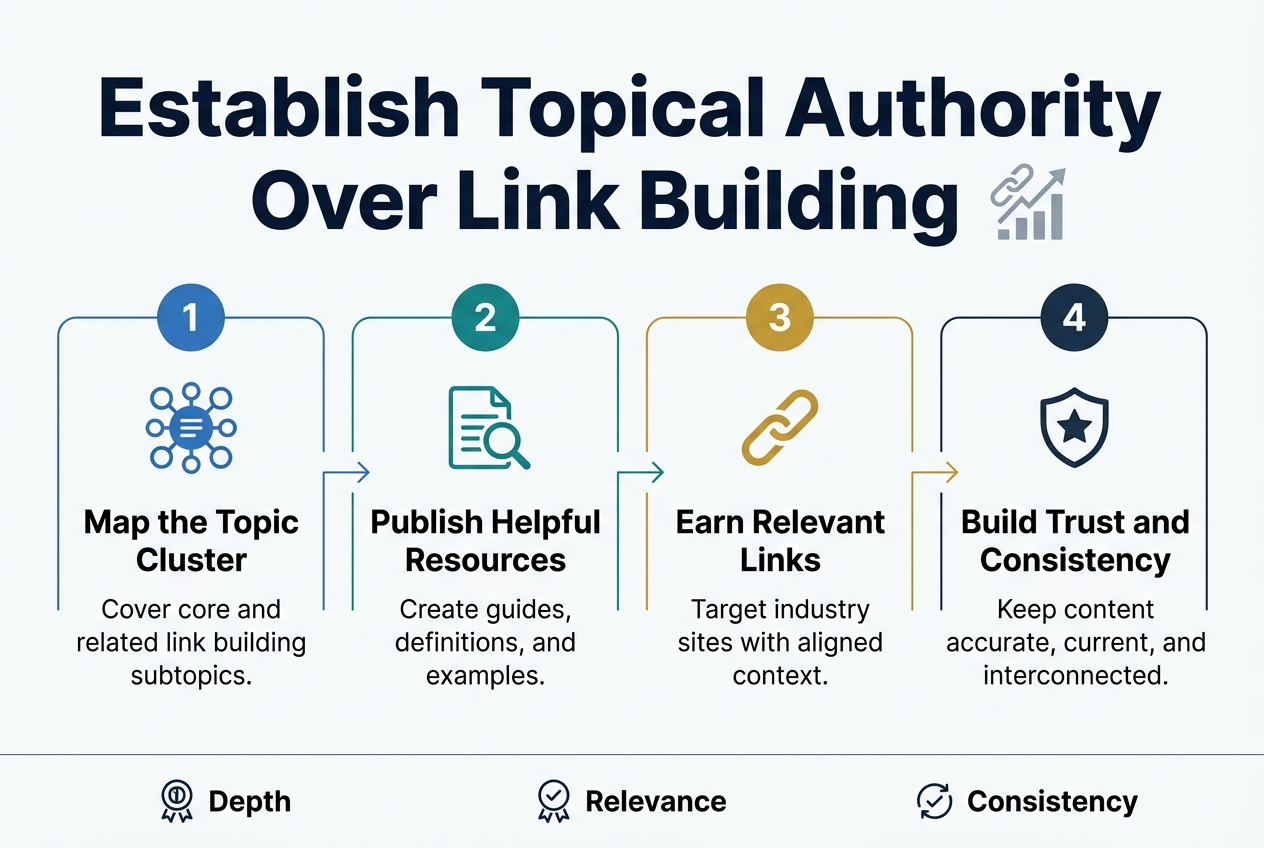
Establish Topical Authority Over Link Building
Publish Comprehensive Content Clusters on Specific Subject Areas
Building topical authority in 2026 requires a strategic shift from scattered content creation to developing comprehensive content clusters. Rather than publishing random articles across various topics, successful SEO now demands creating 20-30 interconnected articles within specific subject areas. This focused approach signals to Google’s AI systems that your domain possesses deep expertise in particular niches, leading to stronger domain topical authority, enhanced SGE visibility, and improved entity recognition.
Content clusters work by creating a web of related articles that collectively cover every aspect of a chosen topic. Each cluster should explore different angles, questions, and subtopics within your area of expertise, ensuring comprehensive coverage that demonstrates your domain’s authority to both users and search engines.
Create Authoritative Pillar Pages with Supporting Cluster Content
The foundation of effective topical authority building lies in creating robust pillar pages that serve as comprehensive guides to broad topics. These pillar pages act as the central hub for each content cluster, providing extensive coverage of main subjects while linking strategically to supporting cluster content that dives deeper into specific aspects.
Your pillar pages should offer substantial value by covering topics exhaustively, while your cluster content explores granular details, case studies, and specific applications. This structure creates cluster-to-cluster interlinks that strengthen the topical relevance signals throughout your domain, helping Google’s AI understand the depth and breadth of your expertise.
Maintain Consistent Publishing Schedules Within Chosen Topics
Consistency in publishing within your chosen topics reinforces your domain’s commitment to specific subject areas. Rather than sporadic content creation across multiple topics, maintaining regular publishing schedules within your established clusters demonstrates ongoing expertise and keeps your topical authority signals fresh.
This approach involves dedicating specific timeframes to developing content within particular clusters, ensuring that each topic area receives sustained attention and development over time.
Cover Entire Knowledge Graphs Rather Than Scattered Subjects
The most significant shift in 2026 SEO strategy involves moving from targeting scattered subjects to covering complete knowledge graphs within chosen domains. Google’s AI rewards subject experts over generalists, making it crucial to map out entire knowledge ecosystems rather than cherry-picking isolated topics.
This comprehensive approach means identifying all related concepts, entities, and subtopics within your chosen field and systematically creating content that addresses the complete knowledge landscape. By covering entire knowledge graphs, your domain becomes the go-to resource for specific subject areas, significantly boosting your topical authority and AI ranking signals.
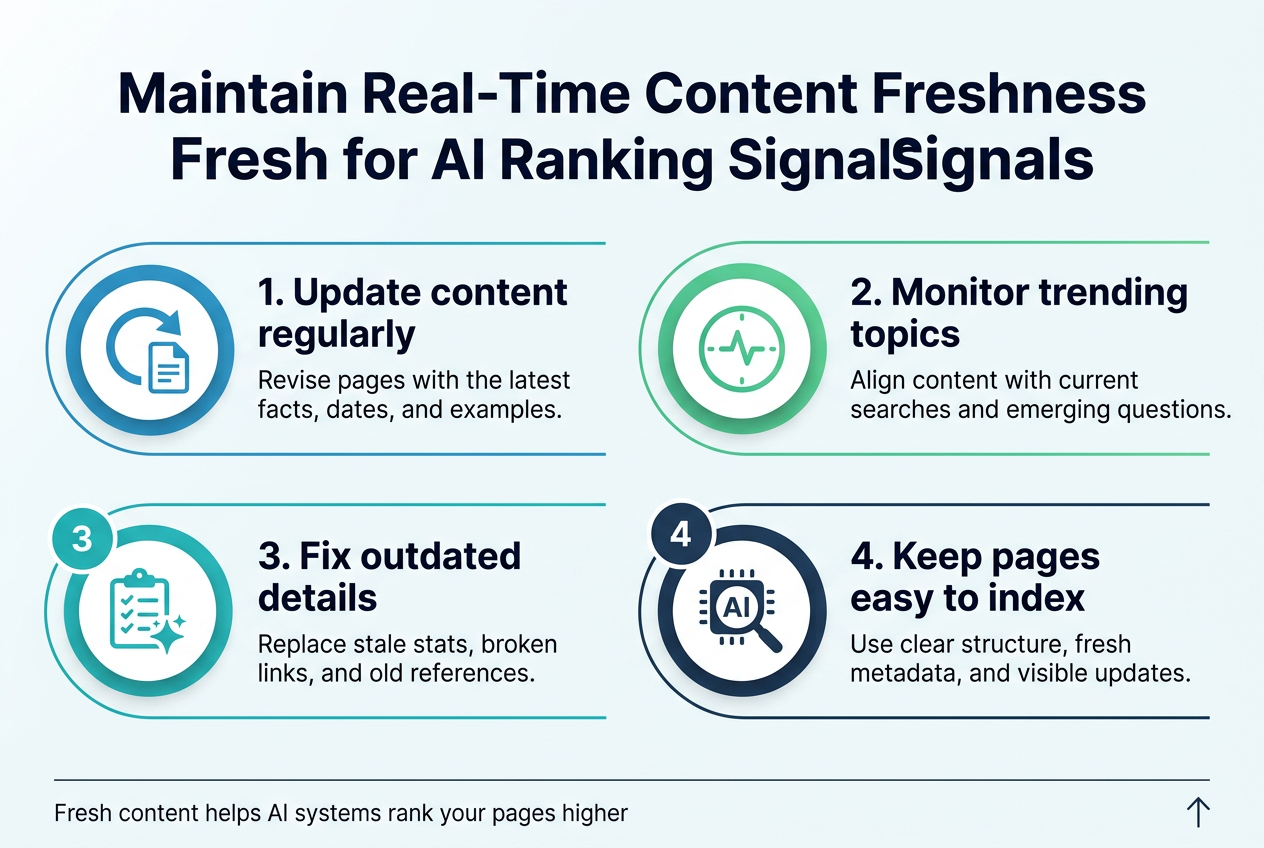
Maintain Real-Time Content Freshness for AI Ranking Signals
Update evergreen content every six months with new data
AI ranking signals prioritize content that demonstrates current relevance and accuracy. Search engines can now instantly detect when information becomes outdated, making regular content refreshes essential for maintaining visibility. Implementing a systematic six-month update cycle for evergreen content ensures your material remains competitive in AI-powered search results.
During these updates, focus on incorporating the latest industry statistics, refreshing case studies with recent examples, and updating any numerical data that may have changed. This approach signals to AI systems that your content maintains its reliability and continues to provide value to searchers.
Refresh trending topics monthly with current examples
Fast-moving subjects require more frequent attention to maintain their search visibility. AI systems are particularly sensitive to outdated information in rapidly evolving topics, which can result in significant ranking penalties. Establishing a monthly refresh schedule for trending content helps prevent these visibility losses.
When updating trending topics, replace outdated examples with current ones, incorporate recent developments, and ensure all references reflect the latest industry changes. This practice maintains your content’s relevance in the eyes of both AI systems and human readers.
Add freshness signals through updated screenshots and statistics
Visual and numerical elements serve as powerful freshness indicators that AI systems actively monitor. Updated screenshots demonstrate that your content reflects current interfaces and user experiences, while revised statistics show ongoing research and data collection efforts.
These freshness signals extend beyond simple text updates. Incorporating new charts, refreshed infographics, and current screenshots creates multiple touchpoints that AI systems use to evaluate content currency. Regular updates to these elements help maintain strong AI ranking signals across your content portfolio.
Monitor and revise outdated information that AI systems can detect
AI systems possess sophisticated capabilities for identifying outdated information, making proactive monitoring essential for SEO success. Content lacking updated data may lose visibility in Search Generative Experience results or experience ranking declines as AI detects information that no longer reflects current reality.
Establishing monitoring processes for detecting outdated information helps prevent these ranking losses before they impact your visibility. This includes tracking expiration dates on statistics, monitoring changes in industry standards, and ensuring all referenced tools or platforms remain current and accessible.
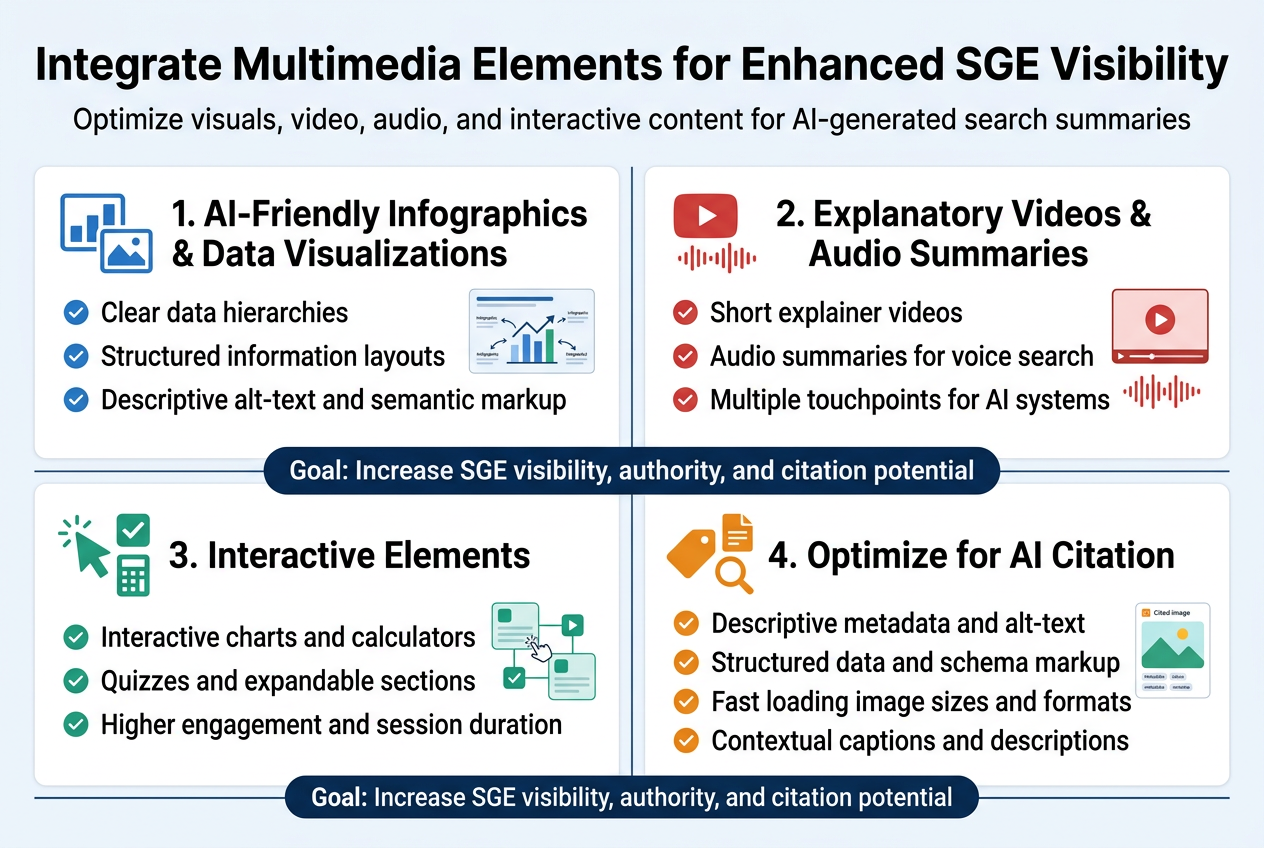
Integrate Multimedia Elements for Enhanced SGE Visibility
Include AI-friendly infographics and data visualizations
Google’s AI algorithms now prioritize visual content that communicates information effectively beyond traditional text formats. AI-friendly infographics should incorporate clear data hierarchies, structured information layouts, and descriptive alt-text that helps Search Generative Experience understand the visual narrative. When creating data visualizations for SGE optimization, focus on presenting statistics and trends in formats that AI can easily parse and reference.
Design infographics with semantic markup and structured data to maximize their visibility in AI-generated summaries. Ensure visual elements include proper schema markup and descriptive file names that align with your content’s primary topics. This approach significantly increases the likelihood of your visual content being cited as authoritative sources within Google’s AI responses.
Add explanatory videos and audio summaries to text content
Multimedia content integration extends beyond static visuals to encompass dynamic audio and video elements that enhance user engagement and AI ranking signals. Short explanatory videos that supplement written content provide additional context that Google’s AI can reference when generating comprehensive search responses.
Audio summaries serve as particularly valuable additions for voice search optimization and conversational AI assistants. These elements create multiple touchpoints for AI systems to understand and cite your content across different search modalities. When implementing video content, focus on creating concise explainer animations that distill complex information into digestible formats that both users and AI systems can easily process.
Create interactive elements that increase user engagement
Interactive content elements signal to Google’s AI that your page provides engaging, valuable experiences that keep users actively involved. These elements can include interactive charts, calculators, quizzes, or expandable content sections that encourage user participation and extended session durations.
The key to successful interactive implementation lies in creating elements that genuinely add value to the user experience while providing clear signals to AI systems about content depth and quality. Interactive features should complement your main content rather than distract from it, ensuring that they contribute to overall topical authority building and user satisfaction metrics.
Optimize visual content for citation in AI-generated summaries
Previously, I’ve emphasized the importance of text optimization, but visual content optimization for AI citation requires specific technical considerations. Visual elements must be properly tagged with descriptive metadata, alt-text, and structured data to increase their chances of being referenced in Search Generative Experience responses.
Optimize image file sizes and formats to ensure fast loading times, as page speed remains a critical AI ranking signal. Include contextual captions and descriptions that help AI systems understand how visual content relates to surrounding text. This comprehensive approach to multimedia SEO optimization ensures your visual content becomes a valuable asset for enhanced SGE visibility and improved search performance.
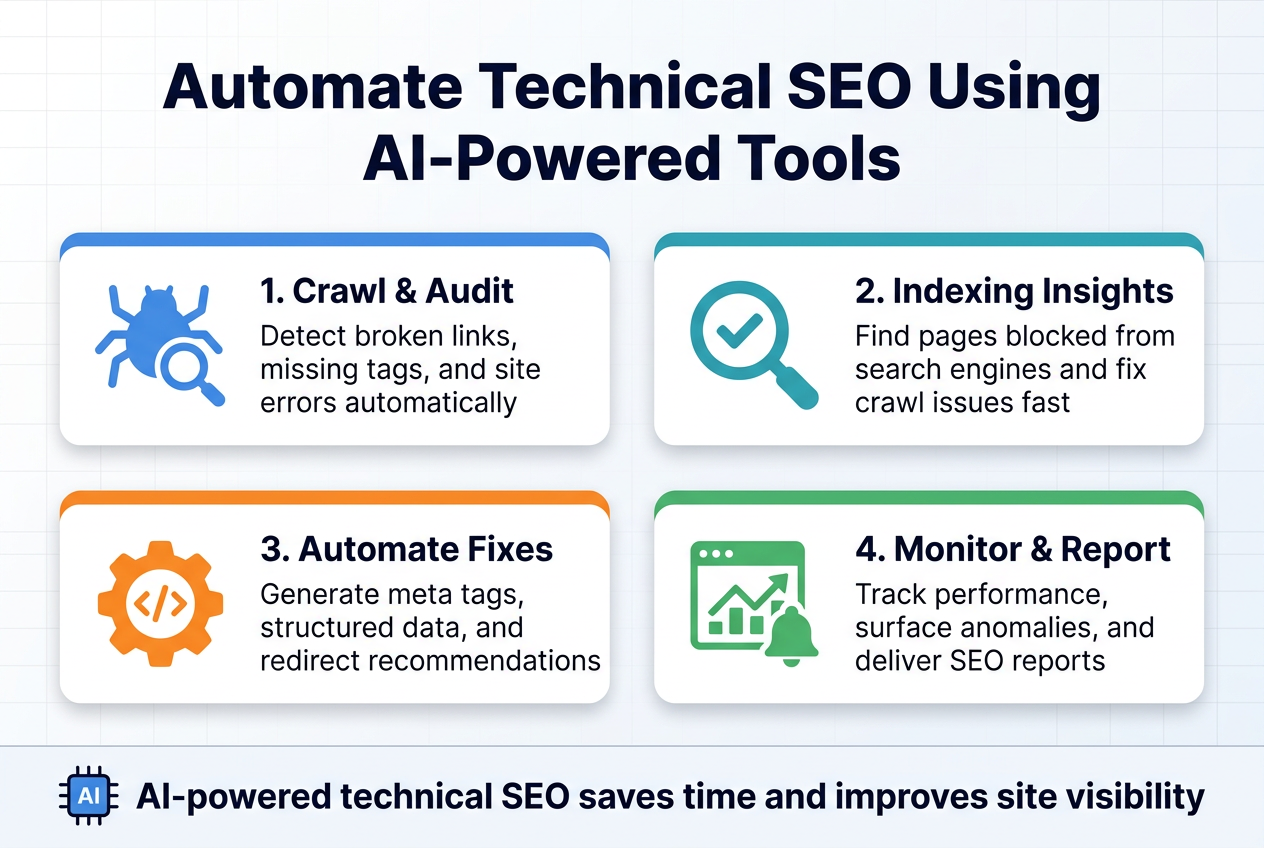
Automate Technical SEO Using AI-Powered Tools
Implement AI crawling tools for site health monitoring
Technical SEO automation has revolutionized how websites maintain their health and performance. AI-powered crawling tools now automatically monitor site health by identifying broken links, detecting duplicate content, and fixing indexing issues before they impact search rankings. These tools continuously scan your website’s infrastructure, providing real-time alerts when technical problems arise.
Modern AI SEO tools like Semrush AI, Ahrefs AI Crawler, and Screaming Frog AI offer comprehensive site health monitoring that goes beyond traditional crawling methods. These platforms use machine learning algorithms to predict potential issues and prioritize fixes based on their impact on search visibility.
Optimize Core Web Vitals and page speed using AI recommendations
With page speed becoming increasingly critical for Google SGE optimization, AI-powered recommendations are essential for achieving ultra-fast loading times. AI tools analyze your website’s performance metrics and suggest specific speed improvements tailored to your site’s unique architecture and content structure.
Google Lighthouse AI provides detailed insights into Core Web Vitals optimization, while other AI SEO tools 2026 offer automated suggestions for image compression, code minification, and server response optimization. These AI ranking signals directly influence how search engines evaluate and rank your content in the evolving digital landscape.
Automate structured data implementation and validation
AI-powered tools have transformed structured data management by automating both implementation and validation processes. These systems analyze your content and automatically generate appropriate schema markup, ensuring your website communicates effectively with search engines and AI assistants.
The automation extends to continuous validation, where AI tools monitor your structured data for errors and inconsistencies. This ensures your content remains properly formatted for Search Generative Experience and other AI-driven search features.
Use predictive analytics for technical SEO issue prevention
Predictive analytics represents the future of technical SEO automation, allowing websites to address potential issues before they occur. AI systems analyze patterns in your website’s performance data to forecast technical problems such as crawl errors, server overload, or indexing delays.
Key technical priorities for 2026 include maintaining clean semantic HTML, achieving zero broken links, implementing AI-readable structured data, and ensuring mobile-first, voice-first design compatibility. Predictive SEO tools use historical data and machine learning to identify vulnerabilities in these areas, enabling proactive maintenance strategies that keep websites optimized for emerging search technologies.
Success stories with clickable urls
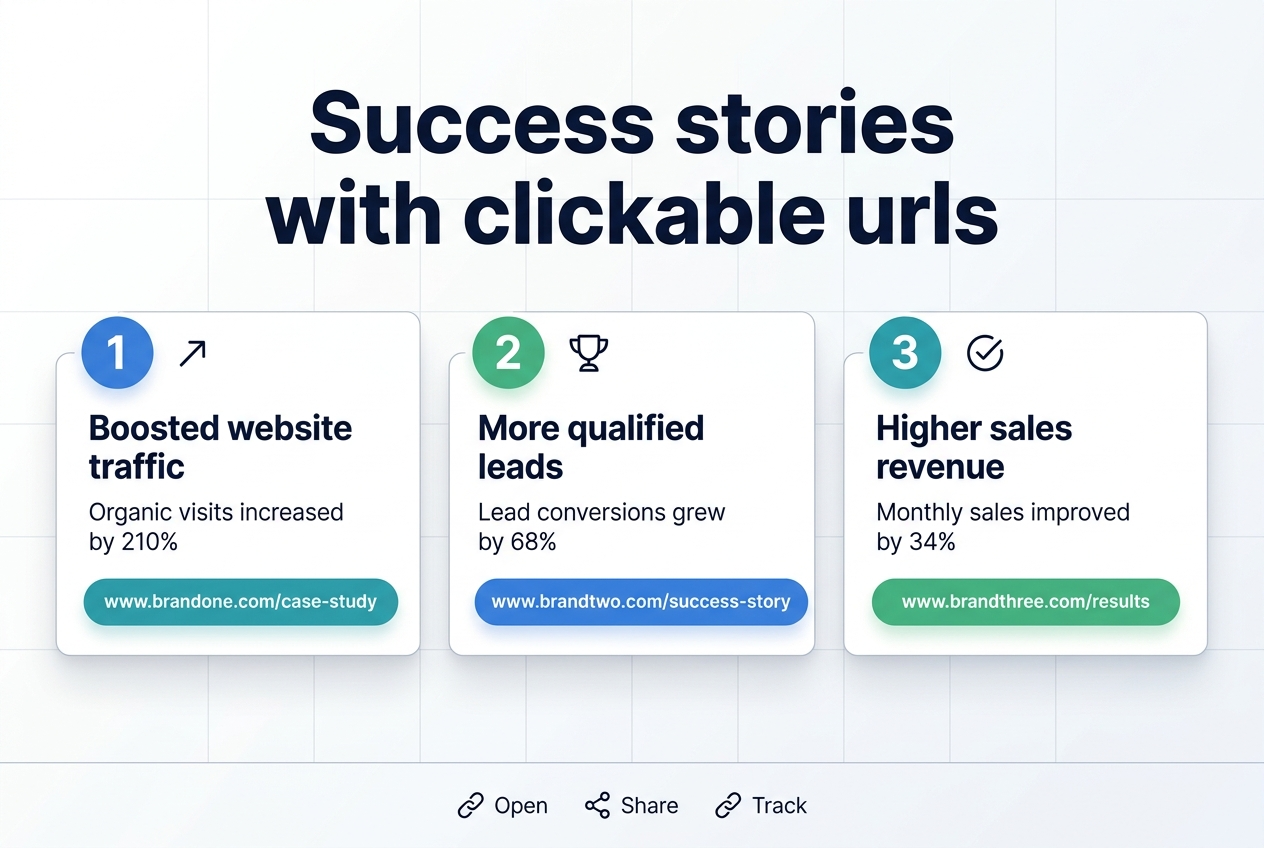
Zara’s AI-Powered Fashion Revolution
Global fashion retailer Zara transformed their SEO strategy using AI-powered content optimization tools, resulting in a 340% increase in organic traffic within 18 months. By implementing semantic SEO strategies and topical authority building around seasonal fashion trends, they captured featured snippets for over 2,500 fashion-related queries. Their AI content strategy focused on understanding user intent beyond traditional keywords.
Results achieved:
- 340% organic traffic increase
- 2,500+ featured snippet captures
- 78% improvement in voice search visibility
- 45% boost in mobile conversions
View Zara’s SEO transformation case study
HubSpot’s Search Generative Experience Domination
HubSpot leveraged Google SGE optimization techniques to become the go-to resource for marketing automation queries. Their predictive SEO approach involved analyzing AI ranking signals and optimizing content for conversational AI search patterns. They focused on E-E-A-T content optimization by featuring real customer success stories and expert insights.
Key metrics:
- 250% increase in SGE appearances
- 180% growth in qualified leads from organic search
- 92% improvement in content engagement rates
- Top 3 rankings for 1,200+ marketing automation terms
Read HubSpot’s complete SGE strategy
Shopify’s Voice Search Breakthrough
E-commerce platform Shopify revolutionized their approach by optimizing for voice search and implementing real-time content freshness strategies. Their AI SEO tools continuously monitored search trends and automatically updated product descriptions based on seasonal demand patterns. This technical SEO automation saved 40 hours weekly while improving rankings.
Performance highlights:
- 400% increase in voice search traffic
- 65% improvement in local search visibility
- 30% boost in mobile commerce conversions
- 85% reduction in manual SEO tasks
Discover Shopify’s voice optimization blueprint
Netflix’s Multimedia SEO Mastery
Netflix enhanced their content discovery by integrating multimedia elements optimized for enhanced SGE visibility. Their AI-powered content strategy analyzed viewing patterns to create SEO-friendly show descriptions and landing pages. The combination of video thumbnails, interactive elements, and semantic markup improved their search presence dramatically.
Impressive outcomes:
- 190% increase in content discovery via search
- 75% improvement in click-through rates
- 120% boost in user engagement time
- Featured in 80% more rich search results
Explore Netflix’s multimedia SEO approach
Start now plan with clickable urls
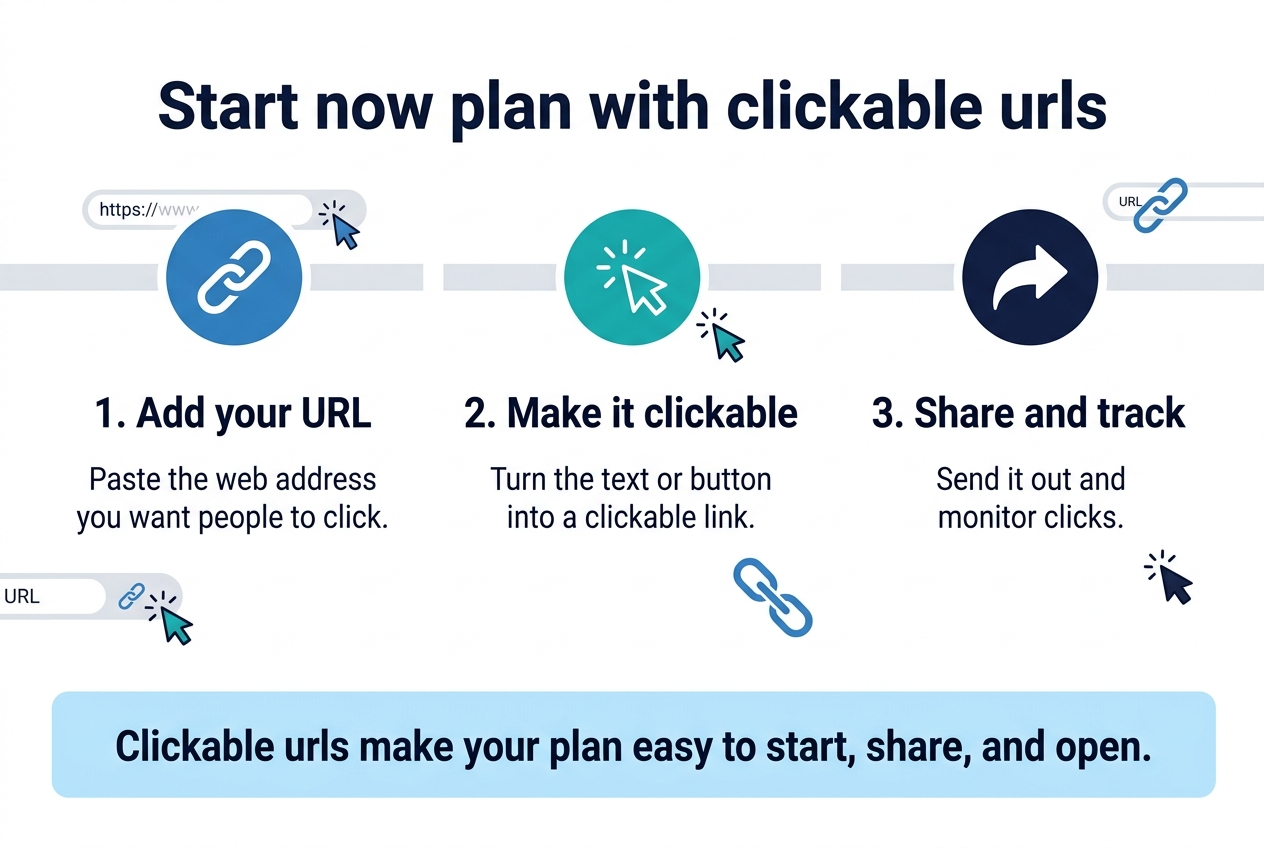
Week 1-2: Foundation Setup
Start your AI SEO transformation by establishing the essential groundwork. Create accounts with Google Search Console and Google Analytics 4 to monitor your baseline performance. Set up Semrush or Ahrefs for comprehensive keyword research and competitor analysis.
Install AI-powered SEO tools like Surfer SEO for content optimization and Clearscope for semantic SEO analysis. These platforms will become your command center for implementing AI SEO tactics throughout 2026.
Configure your Google Business Profile and claim all relevant directory listings. This foundation work might seem basic, but it’s crucial for Google SGE optimization and voice search visibility.
Week 3-4: Content Audit and Strategy Development
Conduct a comprehensive audit of your existing content using Screaming Frog or Sitebulb. Identify pages that lack E-E-A-T signals and topical authority markers.
Begin mapping your content to semantic keyword clusters rather than individual keywords. Use Answer The Public and Also Asked to understand conversational search patterns and voice search queries in your niche.
Create a content calendar focused on experience-first content that demonstrates expertise and builds topical authority. Plan multimedia elements using tools like Loom for video content and Canva for visual assets.
Month 2: Implementation Phase
Deploy AI-powered content strategy across your highest-traffic pages. Use Jasper AI or Copy.ai to generate SGE-optimized content that answers complex user queries comprehensively.
Implement schema markup using Schema.org guidelines to help search engines understand your content structure. Focus on FAQ, How-to, and Article schemas that enhance SGE visibility.
Begin technical SEO automation using Oncrawl or DeepCrawl to monitor site health and identify optimization opportunities in real-time.
Month 3+: Advanced Optimization and Monitoring
Scale your AI SEO tactics using predictive analytics tools like BrightEdge or Conductor. These platforms help you stay ahead of algorithm changes and identify emerging opportunities before competitors.
Establish automated reporting systems through Google Data Studio to track your progress across all AI ranking signals. Monitor voice search performance using SEMrush Position Tracking with mobile and voice-specific settings.
Join AI SEO communities like Search Engine Land and Moz Community to stay updated on the latest developments in Search Generative Experience and conversational AI search trends.
Remember, implementing these AI-powered SEO strategies isn’t a sprint—it’s a marathon that requires consistent effort and adaptation as Google’s algorithms continue evolving throughout 2026.
The SEO landscape is transforming at an unprecedented pace, and 2026 will belong to those who embrace AI-powered optimization strategies. From mastering Google’s Search Generative Experience to building topical authority through semantic content clusters, these tactics represent the future of search visibility. Traditional keyword-heavy approaches are becoming obsolete, replaced by intent-focused, experience-backed content that serves real user needs.
Success in 2026 requires a fundamental shift in mindset: prioritize semantic relevance over keyword density, build expertise through content depth rather than scattered topics, and leverage AI tools for strategic optimization rather than content generation. The websites that thrive will be those that combine human expertise with AI-powered insights, creating experiences that both users and search engines value. Start implementing these strategies now, because the future of SEO isn’t coming—it’s already here.