

Currently Empty: CFA0.00



Blog
The $50K AI App Blueprint 2026: From Idea to Sale with no code knowledge
The $50K AI App Blueprint 2026
Turn Your Business Ideas Into Profitable AI Agencies Without Writing a Line of Code
The AI agency business is exploding – with the white-label AI platform market jumping from $8.6 billion to over $31 billion in just a few years. But here’s what most people don’t realize: you don’t need coding skills, a tech team, or massive startup capital to grab your piece of this growing market.
This guide is for entrepreneurs, consultants, and marketers who want to launch a profitable AI agency but have been held back by technical barriers. You’ll learn how to build a real business using no code AI app development tools and proven AI client acquisition strategies.
We’ll cover how to choose your profitable AI agency niche so you can stop trying to serve everyone and start charging premium rates for specialized expertise. You’ll also discover the exact process for setting up your white label AI platform and packaging your services to hit $10K monthly revenue faster than you thought possible.
Ready to skip the technical headaches and jump straight to building your AI business? Let’s get started.
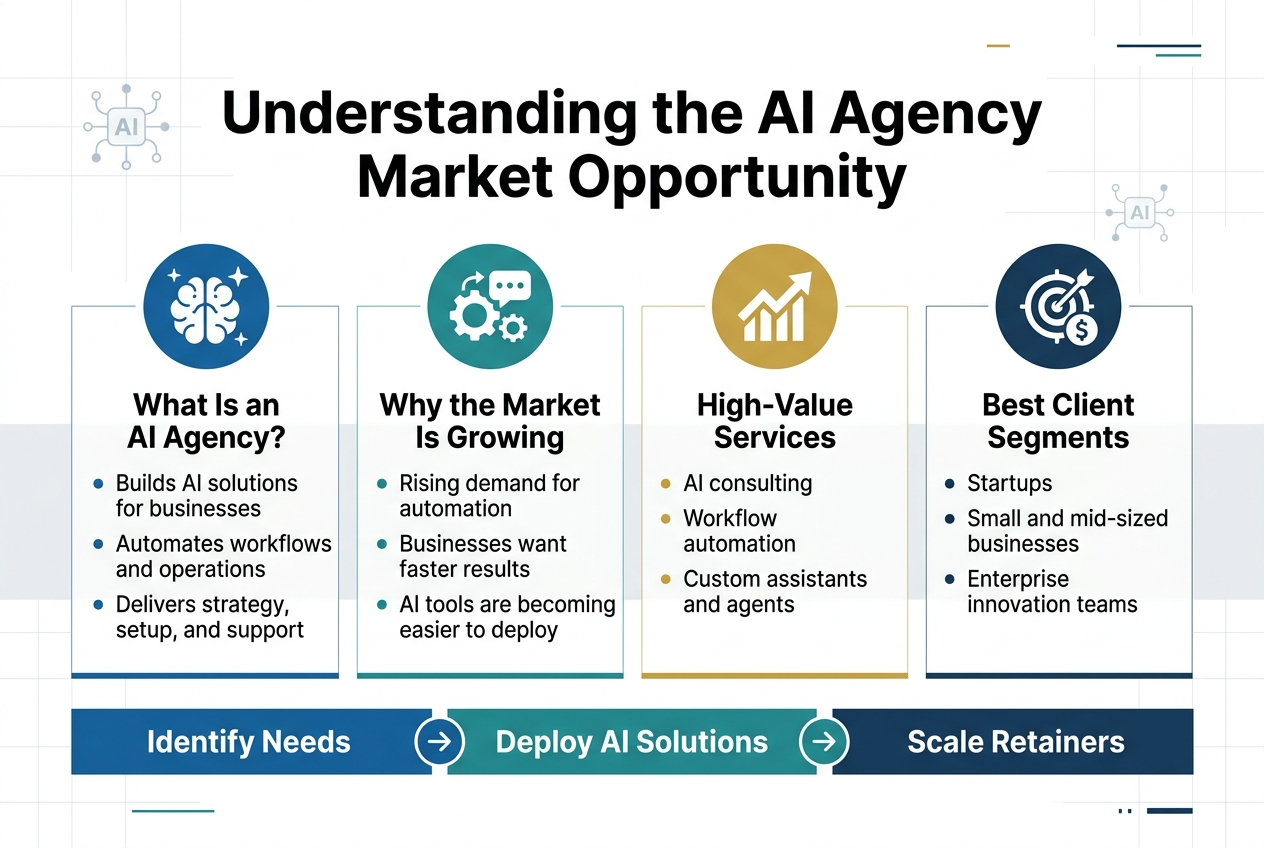
Understanding the AI Agency Market Opportunity
Market Growth from $8.6 Billion to $31 Billion
The AI agency business landscape presents an unprecedented opportunity that’s reshaping how entrepreneurs approach the artificial intelligence market. The white-label AI services market is experiencing explosive growth, projected to expand from $8.6 billion to over $31 billion in the coming years. This represents a staggering 260% expansion in market opportunity, creating a massive window for savvy business builders to establish profitable AI agencies.
This remarkable growth trajectory indicates that we’re witnessing the early stages of a market transformation. The demand for AI solutions across industries continues to accelerate, with businesses of all sizes seeking ways to implement artificial intelligence without the complexity of building solutions from scratch. This surge in demand has created a perfect storm of opportunity for those positioned to deliver white label AI platform solutions to eager clients.
The $50K AI App Blueprint 2026:
Collapsed Barriers to Entry – No Technical Skills Required
The most significant shift in the AI agency landscape is the dramatic collapse of traditional barriers to entry. Previously, launching a credible AI business required assembling a team of engineers, developing extensive machine learning expertise, or securing substantial venture capital investments. These requirements effectively locked out most entrepreneurs from participating in the AI revolution.
Today’s reality presents a completely different scenario. The traditional path that demanded months of development time, six-figure investments, and technical co-founders is no longer the only viable option. Modern no code AI app development platforms have democratized access to enterprise-grade AI capabilities, enabling solopreneurs, consultants, and digital marketers to launch fully branded AI agencies with remarkable speed and efficiency.
This transformation means that technical expertise is no longer the primary differentiator for success in the AI agency business market. Instead, entrepreneurs can focus on understanding client needs, delivering value, and building relationships while leveraging powerful platforms that handle the complex technical infrastructure.
White-Label AI Services vs Traditional Development Approaches
The emergence of white-label AI services represents a fundamental shift away from traditional development approaches. Where conventional methods required extensive technical resources and lengthy development cycles, white label AI platform solutions enable rapid deployment of sophisticated AI capabilities under your own brand.
This approach offers several distinct advantages over traditional development:
- Speed to Market: Launch fully functional AI agencies in days rather than months
- Cost Efficiency: Eliminate the need for large development teams and infrastructure investments
- Reduced Risk: Avoid the technical complexities and potential failures of custom development
- Scalability: Leverage proven platforms that can handle enterprise-level demands
The key insight driving this market opportunity is that success depends on having access to the right platform for white-label AI services, rather than possessing extensive technical skills or substantial capital. This democratization has opened the door for entrepreneurs who understand AI client acquisition strategies and profitable AI agency model implementation to build thriving businesses without traditional technical barriers.
Now that we understand the massive market opportunity and how barriers have collapsed, entrepreneurs can focus on selecting the most profitable niche for their AI agency venture.
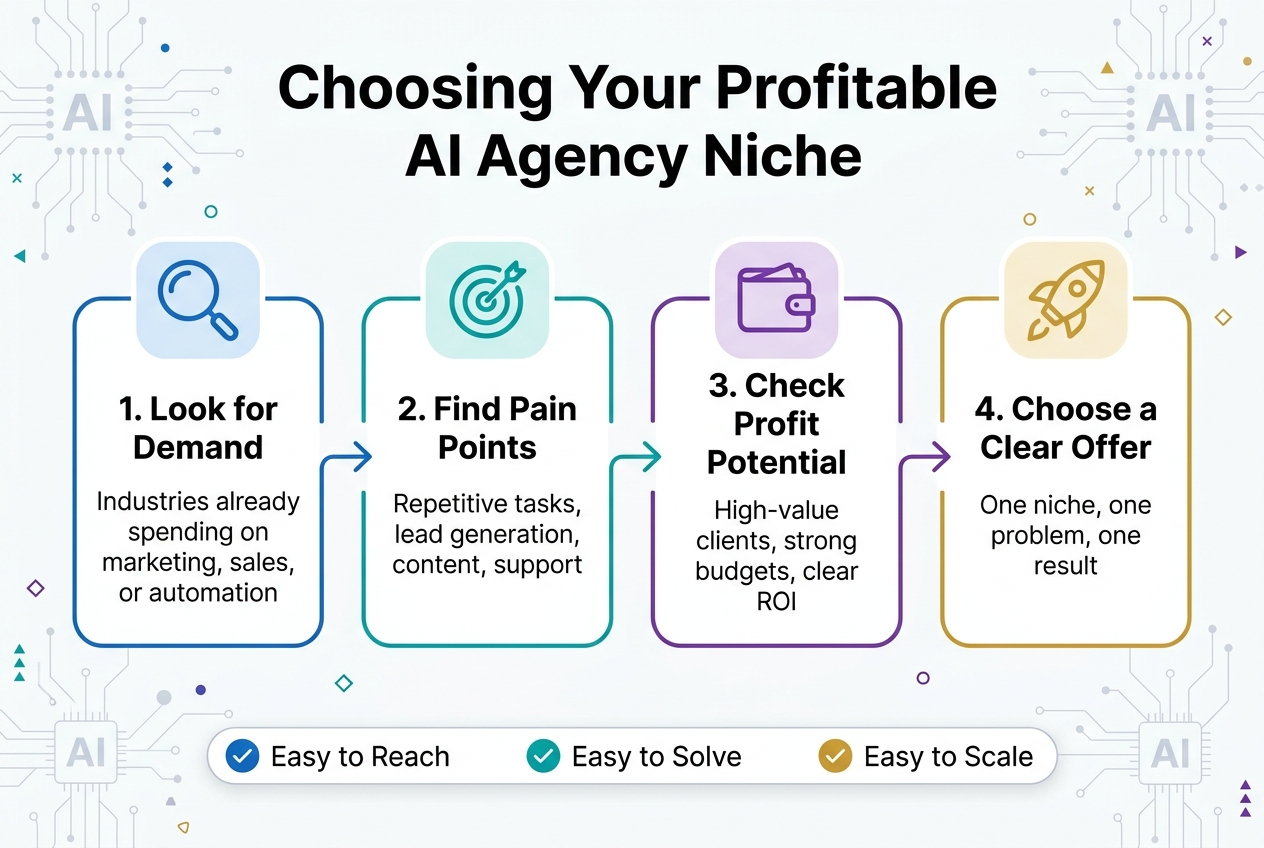
Choosing Your Profitable AI Agency Niche
Why General “AI Services” Fail and Specific Niches Succeed
When starting an AI agency business, offering general “AI services” to everyone often leads to confusion and zero sales. This broad approach creates several critical problems that prevent sustainable growth. Prospects don’t understand what you actually do, you can’t position yourself as an expert in any particular area, and you’re forced to compete on price rather than value.
Anchoring your agency to a specific vertical or pain point transforms your entire business model. This focused approach allows you to directly address a real problem that keeps business owners awake at night. You become a known expert in solving that particular challenge, which naturally leads to referrals and word-of-mouth marketing within that industry.
The profitable AI agency model thrives on specialization because it enables you to reuse proven playbooks across multiple clients. Instead of starting from scratch with each prospect, you develop standardized processes that consistently deliver results. This operational efficiency allows you to charge premium pricing while reducing delivery time and complexity.
High-Demand Verticals: Financial Advisors, Home Services, E-commerce, B2B SaaS
Several high-demand verticals present exceptional opportunities for AI services pricing and scalable growth. Each vertical has specific pain points that AI solutions can address effectively.
AI content for financial advisors addresses their ongoing struggle to produce compelling thought leadership content. These professionals need consistent monthly blog posts, email sequences, and social media content to build trust and demonstrate expertise. However, most financial advisors lack the time or writing skills to create quality content consistently.
AI lead generation for home service businesses provides qualified leads using Smart Lists and Sequences. Home service companies like plumbers, electricians, and HVAC contractors desperately need a steady stream of local customers but often struggle with digital marketing complexity.
AI customer support for e-commerce brands deploys 24/7 AI Voice and Chat Agents to handle customer service inquiries. E-commerce businesses face increasing customer service demands while trying to maintain profitability, making automated solutions highly attractive.
AI email marketing for B2B SaaS builds and manages multi-touch email sequences that nurture leads through complex sales cycles. SaaS companies understand the value of email marketing but often lack the resources to execute sophisticated campaigns consistently.
Selecting Your Niche Based on Credibility and Market Pain Points
The most effective AI agency niche selection strategy combines your existing advantages with clear market opportunities. Start by writing down three niches where you have existing credibility, relationships, or passion. This foundation gives you immediate advantages in understanding client needs and building trust.
Your credibility might come from previous work experience, personal connections, or demonstrated expertise in a particular industry. Relationships provide warm introductions and referrals that dramatically reduce AI client acquisition costs. Passion ensures you’ll stay motivated during challenging periods and continue learning about industry developments.
Next, evaluate each potential niche based on the obviousness of their pain point and your entry path difficulty. The ideal niche has prospects who clearly recognize they have a problem, understand the cost of not solving it, and have budget allocated for solutions. Your entry path should leverage existing relationships or credible positioning rather than requiring extensive education or complex sales processes.
Select the niche that combines the most obvious pain point with the easiest entry path for your specific situation. This strategic approach to AI business automation positioning sets the foundation for rapid growth and premium pricing in your chosen market.
Clickable links with up to date niches and examples
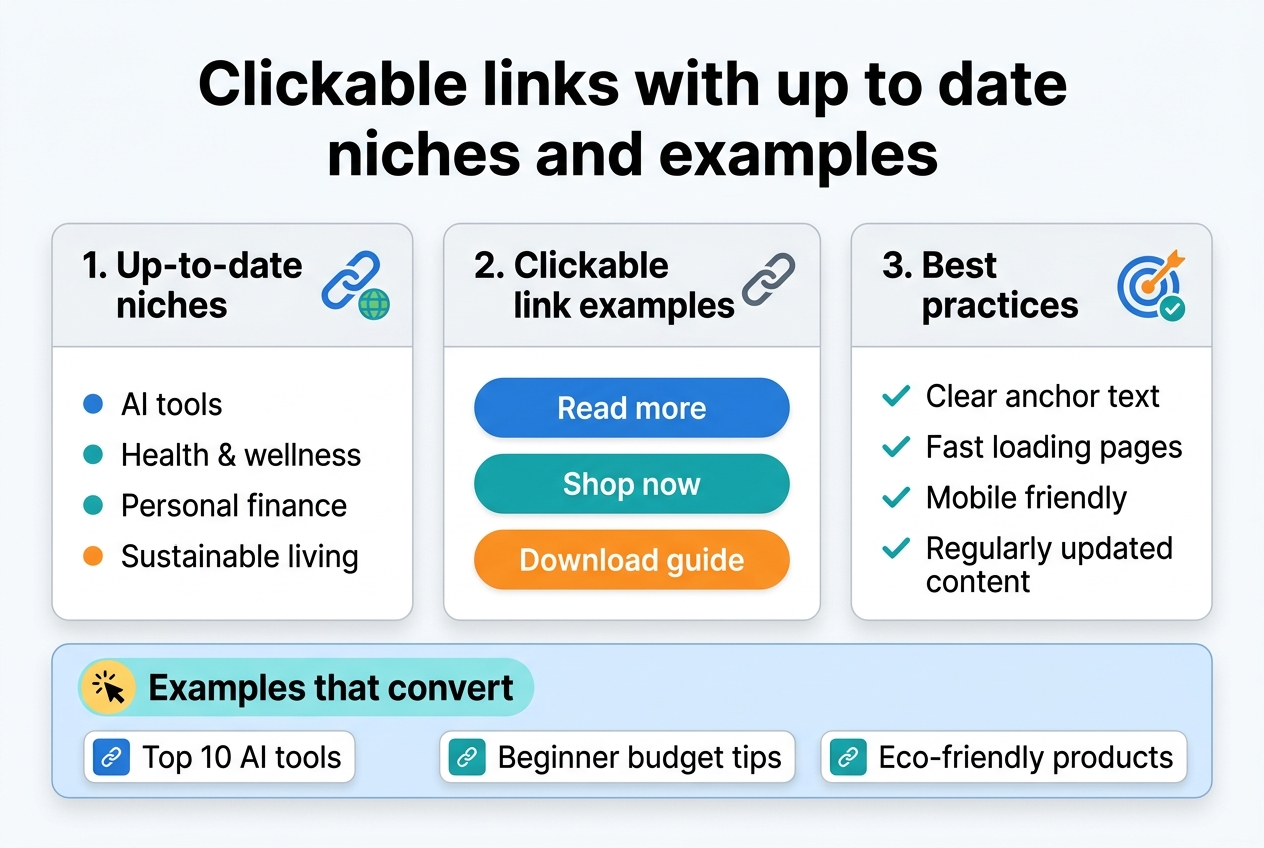
High-Demand AI Agency Business Niches
Healthcare AI Solutions
Medical practices are scrambling to implement AI solutions that streamline patient care and reduce administrative burden. Telemedicine platforms with AI triage systems help doctors prioritize urgent cases, while automated appointment scheduling with symptom pre-screening saves hours of staff time daily. Mental health practices benefit from AI-powered mood tracking and therapy session summaries that help therapists provide better care between sessions.
Real Estate Automation
Property management companies need AI tools that handle routine inquiries and qualify leads automatically. Smart chatbots for property listings answer basic questions about square footage, amenities, and neighborhood details 24/7. Automated rent collection systems with payment reminders reduce late payments by 40%, while AI-powered property valuation tools help agents price listings competitively without manual research.
E-commerce Customer Service
Online retailers lose millions in abandoned carts due to unanswered questions. AI shopping assistants guide customers through product selection based on their specific needs and budget constraints. Return processing automation handles common return requests without human intervention, while inventory management with demand forecasting prevents stockouts during peak seasons.
Professional Services Automation
Law firms, accounting practices, and consulting agencies benefit from document analysis tools that extract key information from contracts and compliance documents. Client onboarding automation collects necessary information and schedules initial consultations, while time tracking with automatic billing ensures accurate invoicing without manual timesheet reviews.
| Niche | Average Deal Size | Implementation Time | Recurring Revenue Potential |
|---|---|---|---|
| Healthcare | $15,000-$50,000 | 4-8 weeks | $2,000-$8,000/month |
| Real Estate | $8,000-$25,000 | 2-6 weeks | $1,500-$5,000/month |
| E-commerce | $10,000-$35,000 | 3-7 weeks | $2,500-$7,000/month |
| Professional Services | $12,000-$40,000 | 4-10 weeks | $3,000-$10,000/month |
These white label AI platform opportunities require minimal technical knowledge while addressing genuine pain points that businesses actively seek to solve. Each niche offers scalable delivery and operations systems that can grow from your first client to consistent monthly revenue streams.
Setting Up Your White-Label AI Platform
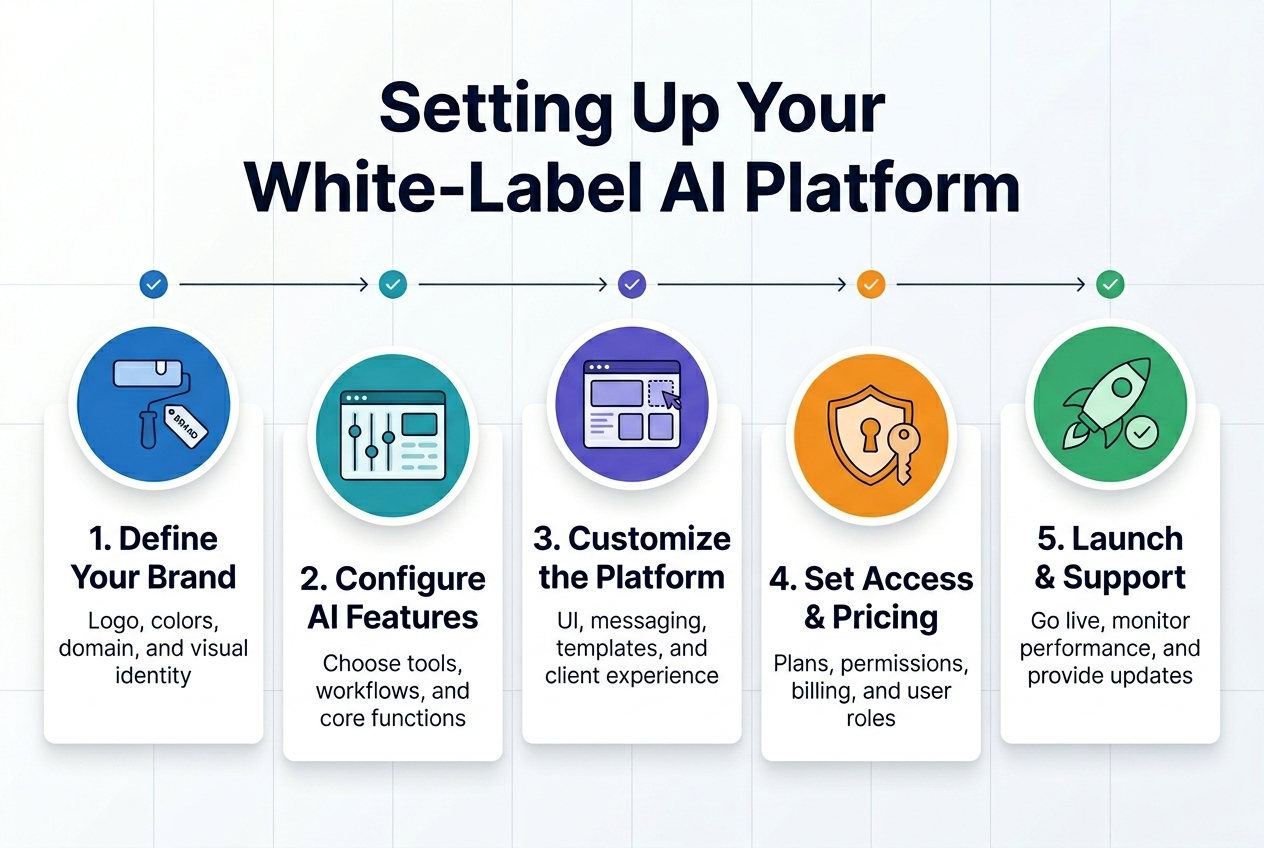
Parallel AI Pricing Tiers and Feature Comparison
When building your white label AI platform, selecting the right pricing tier is crucial for your AI agency business success. Parallel AI offers a structured approach to scaling your no code AI app development venture through three distinct tiers.
| Plan | Price | White-Label | Best For |
|---|---|---|---|
| Free | $0/month | ❌ | Testing only |
| Entrepreneur | $99/month (first month $9) | ✅ | Solo operators |
| Business | $297/month (first month $79) | ✅ | Multi-client agencies |
| Enterprise | Custom pricing | ✅ | Large operations |
The Free plan serves purely as a testing ground and lacks white-label capabilities, making it unsuitable for client-facing work. For launching your profitable AI agency model, the Entrepreneur plan represents the optimal entry point. At just $9 for your first month, then $99 monthly, this tier provides everything needed to establish your AI services pricing foundation.
The Entrepreneur plan includes unlimited access to premium AI models including GPT-4, Claude 3, and Gemini, positioning you competitively in AI client acquisition strategies. As your client base expands beyond what a single operator can manage, the Business plan at $297 monthly (introductory $79) accommodates multiple client relationships seamlessly.
Enterprise-level operations requiring specific deployments or custom integrations can access tailored solutions through custom pricing arrangements, ensuring your white label AI platform scales with ambitious growth targets.
Platform Setup and Initial Configuration
Now that we’ve covered the pricing structure, the actual setup process for your white label AI platform begins at parallellabs.app. The initial configuration requires minimal technical expertise, aligning perfectly with the no code AI app development philosophy.
Upon registration, dedicate 30 minutes to exploring the comprehensive dashboard. This familiarization period proves essential for understanding the platform’s capabilities before client presentations. The interface design prioritizes user-friendly navigation, ensuring smooth AI business automation workflows.
The white-label solution transforms the entire platform to reflect your agency’s branding. Your logo, custom colors, and domain replace all Parallel AI branding, creating a seamless client experience. This rebranding capability eliminates the need for complex technical implementations while maintaining professional standards.
During setup, configure your custom domain to establish credibility with prospects. The platform handles all technical aspects of domain integration, allowing you to focus on scaling AI agency revenue rather than technical troubleshooting.
Understanding Core Features: Content Engine, Smart Lists, AI Agents
Previously, I’ve emphasized the importance of platform selection, but understanding core features determines your service delivery capabilities. The Entrepreneur plan provides access to three fundamental components that form the backbone of successful AI agency operations.
The Content Engine enables bulk content generation across multiple formats and industries. This feature supports your AI app monetization blueprint by allowing rapid content creation for client campaigns. Whether generating blog posts, social media content, or marketing materials, the Content Engine maintains consistency while dramatically reducing production time.
Smart Lists and Sequences power your outbound client acquisition efforts. These tools automate prospect identification and engagement sequences, essential for sustainable AI client acquisition strategies. The system manages follow-up communications and tracks engagement metrics, providing data-driven insights for campaign optimization.
AI Chat and Voice Agents represent the cutting-edge of client interaction technology. These agents handle customer inquiries, qualify leads, and provide 24/7 support without human intervention. The one million token context windows ensure these agents maintain conversation continuity across extended interactions.
With this in mind, the combination of these features creates a comprehensive service delivery ecosystem. API access enables custom integrations when clients require specialized functionality, while enterprise-grade security ensures data protection standards meet corporate requirements.
Packaging Your AI Services for Maximum Profit
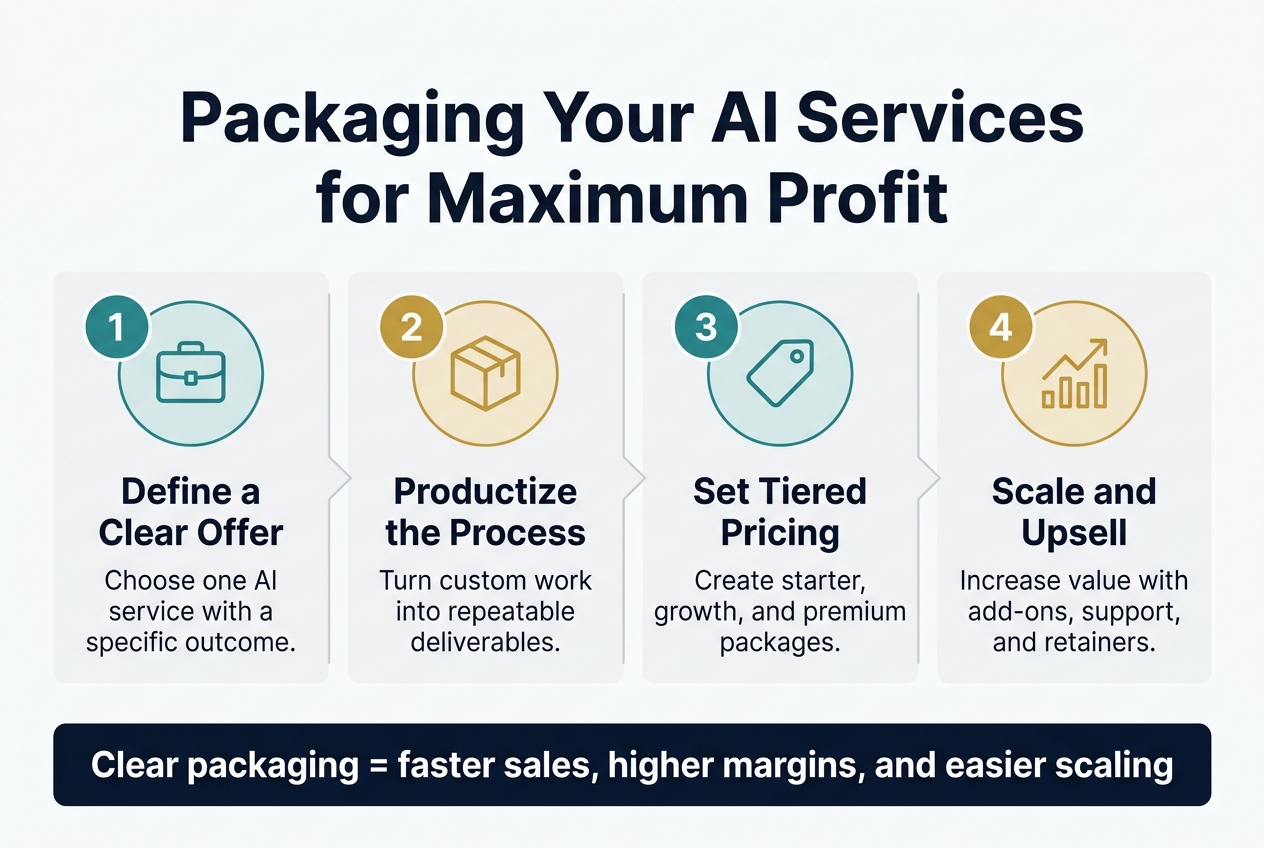
Creating Service Packages by Industry Vertical
Building a profitable AI agency business requires strategic service packaging tailored to specific industry verticals based on what Parallel AI can deliver. Each industry has unique pain points and automation needs that your AI services can address effectively.
For Financial Advisors, focus on content-driven packages that position them as thought leaders. The Quarterly AI Content Package at $1,500/month should include blog posts, social media content, and email sequences that demonstrate expertise and build client trust. The premium Thought Leadership Service at $2,500/month elevates this further with custom articles and comprehensive LinkedIn strategy implementation.
Home Service Businesses benefit most from lead generation and nurturing automation. The AI Lead Generation package at $1,200/month delivers 50-100 qualified leads monthly, while the Lead Nurture Automation service at $800/month handles automated follow-up sequences to convert prospects into paying customers.
E-Commerce Brands require customer support automation and engagement solutions. The 24/7 AI Customer Support package at $1,500/month provides unified chat, email, and SMS support, ensuring consistent customer experience. The Proactive Support Automation at $800/month handles post-purchase communications and FAQ automation.
B2B SaaS companies need sophisticated outreach and content strategies. AI Outreach Campaigns at $2,000/month deliver multi-touch email sequences, while the comprehensive Content + Outreach Bundle at $3,000/month combines thought leadership content with sales sequences for maximum impact.
Pricing Strategy: 3-5x Platform Costs for Sustainable Margins
Now that we have covered service package structures, implementing the right pricing strategy becomes crucial for building a sustainable AI agency business. The proven pricing model involves charging 3 to 5 times your platform cost to ensure adequate coverage of all business expenses and healthy profit margins.
This pricing multiplier accounts for essential business components including initial setup costs, platform customization, ongoing management responsibilities, continuous optimization efforts, regular reporting deliverables, dedicated client support, and your profit margin. Without this strategic pricing approach, your AI agency business model becomes unsustainable.
Consider these practical pricing examples: a $99/month platform cost supports service pricing between $300-$500/month, providing sufficient margin for quality service delivery. Similarly, a $297/month platform cost justifies service pricing in the $900-$1,500/month range, ensuring profitable operations while delivering exceptional value to clients.
This pricing strategy positions your AI services as premium solutions rather than commodity offerings, attracting clients who value quality and results over lowest-cost options.
Defining Monthly Deliverables and Client Outcomes
With this pricing foundation established, defining clear monthly deliverables and measurable client outcomes ensures client satisfaction and retention. Each service package must specify exactly what clients receive and the value they can expect from your AI automation solutions.
Your deliverables should align directly with the Parallel AI features utilized in each package. Document the specific AI functionalities, monthly service fee structure, detailed client deliverables list, and compelling value proposition tailored to each niche market.
This systematic approach to packaging AI services for maximum profit creates predictable revenue streams while delivering measurable value to clients across different industry verticals. The combination of strategic pricing, clear deliverables, and industry-specific solutions forms the foundation of a scalable AI agency business model.
Building Essential Sales Materials Without Complex Branding
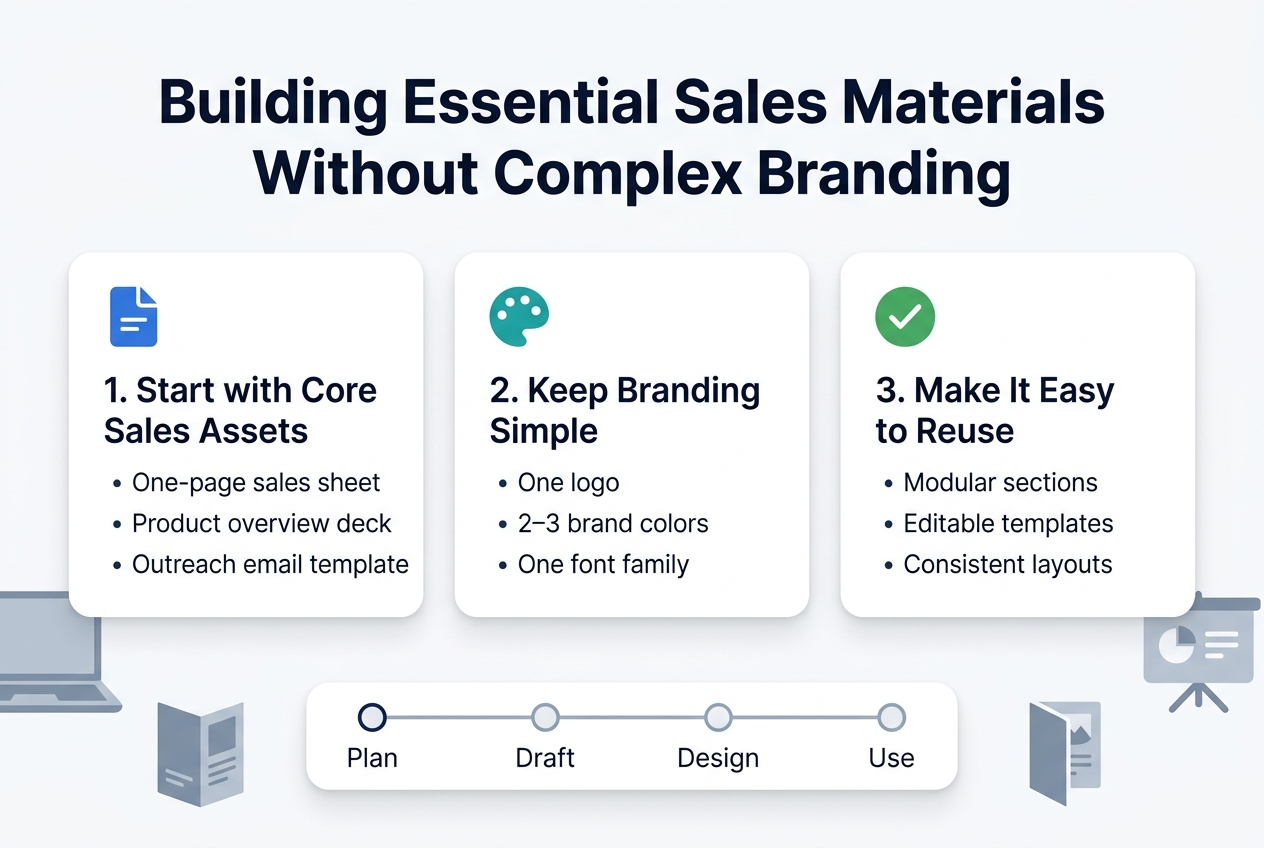
One-Page Service Summary Template
Now that we have established your AI agency niche and platform, the next critical step involves creating a streamlined one-page service summary that communicates your value proposition without complex branding requirements. This essential sales material should be crafted as a simple Google Doc or PDF that clearly outlines five key components.
Your service summary must begin by identifying the specific problem your AI solution solves for your target market. Following this problem statement, highlight three distinct benefits that your AI services deliver to clients. The document should then detail your monthly client deliverables, providing transparency about what clients can expect from your engagement. Include clear pricing information that positions your services competitively within your chosen niche. Finally, conclude with a straightforward explanation of how prospects can get started with your AI agency.
For AI agency business owners targeting financial advisors, an effective service summary might focus on automated content creation that addresses the advisor’s challenge of maintaining consistent client communication while demonstrating expertise in the market.
ROI-Focused Case Studies and Social Proof
With this foundation in place, developing compelling case studies becomes your next priority for effective AI client acquisition strategies. Even without established client relationships, you can create realistic hypothetical case studies that demonstrate potential outcomes and return on investment for your white label AI platform services.
These case studies should focus specifically on measurable results that resonate with your target audience. Structure your case study to show clear before-and-after scenarios, highlighting specific metrics that matter to your niche market. Include concrete numbers that demonstrate the financial impact of your AI services, making the ROI calculation transparent and compelling.
A well-crafted case study for financial advisory AI services might illustrate how automated content creation increased website traffic by a specific percentage, generated additional qualified leads monthly, and ultimately resulted in new client acquisitions. The case study should culminate in a clear ROI calculation, such as demonstrating a 22x return on investment, making the value proposition undeniable for prospects evaluating your AI business automation solutions.
High-Converting Email Pitch Scripts
Previously, we’ve established the importance of concise communication in AI agency business development. Your email pitch scripts must be exceptionally brief—under 75 words—while effectively communicating your value proposition and creating urgency for prospects to respond.
The most effective approach involves offering a limited pilot program that reduces risk for potential clients while showcasing your profitable AI agency model capabilities. Your email should immediately identify the prospect’s likely pain point, present your AI solution as the remedy, and provide a clear call-to-action that moves the conversation forward.
Structure your pitch to acknowledge the prospect’s industry-specific challenges, briefly explain how your AI services address these issues, and extend an exclusive opportunity to participate in a pilot program. This approach leverages scarcity and exclusivity while positioning your services as a low-risk, high-reward opportunity for scaling AI agency revenue.
For maximum effectiveness in your AI app monetization blueprint, ensure your email pitch scripts are customized for each niche you serve, speaking directly to the unique challenges and opportunities within that market segment.
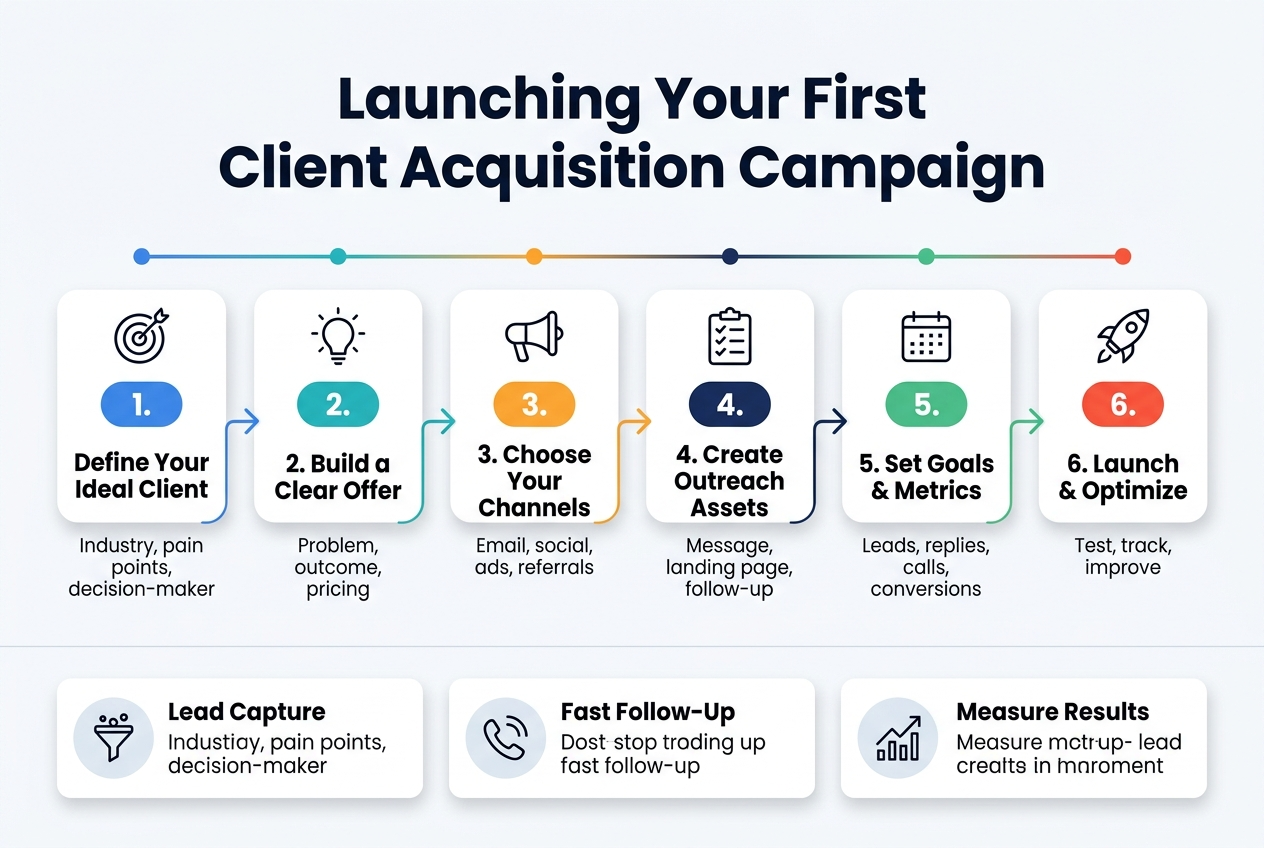
Launching Your First Client Acquisition Campaign
Leveraging Existing Networks for Initial Clients
Your existing network represents the most accessible path to securing your first clients in the AI agency business. These connections already know and trust you, significantly reducing the barriers to initial sales conversations. The strategy here is remarkably straightforward yet highly effective: identify 20 relevant contacts from your professional, personal, and social networks who might benefit from AI-powered services or know someone who would.
Craft a personalized email to each contact explaining your new AI services venture and specifically ask for introductions to potential clients within their networks. This approach leverages the power of warm referrals, which convert at dramatically higher rates than cold outreach. Focus on contacts who work in your chosen niche or have connections to decision-makers in businesses that could benefit from AI automation solutions.
Cold Outreach Strategies Using AI-Powered Prospecting
Now that we’ve covered leveraging your existing network, the next phase involves systematic cold outreach to expand your prospect pool. Modern AI client acquisition strategies can be significantly enhanced through AI-powered prospecting tools that streamline the entire process.
Utilize Parallel AI’s Smart Lists feature to build comprehensive prospect lists within your target niche. This tool helps identify potential clients based on specific criteria relevant to your AI services. Once you’ve compiled your list, leverage the platform’s content engine to draft personalized emails that speak directly to each prospect’s potential pain points and opportunities for AI integration.
The key to successful cold outreach in the AI agency business is consistency and personalization. Send outreach campaigns to 10-20 prospects weekly, ensuring each message demonstrates understanding of their specific industry challenges. LinkedIn outreach complements email campaigns effectively – connect with individuals in your niche and follow up with personalized messages after they accept your connection, inquiring about their interest in AI-powered services.
Free Value Offers to Demonstrate Capabilities
With this in mind, offering free value serves as the cornerstone of building trust and demonstrating your AI agency’s capabilities without requiring immediate commitment from prospects. This strategy addresses the natural skepticism potential clients have about new AI services while showcasing tangible results.
Create sample deliverables relevant to each prospect’s business – such as a sample blog post, automated workflow suggestion, or AI-powered analysis of their current processes. This approach allows potential clients to experience the quality and value of your AI services firsthand, making the transition to paid services much smoother.
The immediate goal of your client acquisition campaign should be generating 10 meaningful conversations with prospects, not necessarily securing 10 sales immediately. Quality conversations lead to better client relationships and higher conversion rates over time.
Take actionable steps immediately: send your first outreach campaign consisting of 10 to 15 personalized emails or LinkedIn messages. Track all responses meticulously and commit to following up within 3 days of any interaction. This systematic approach to AI business automation in your sales process ensures no opportunities slip through the cracks while building momentum for your profitable AI agency model.
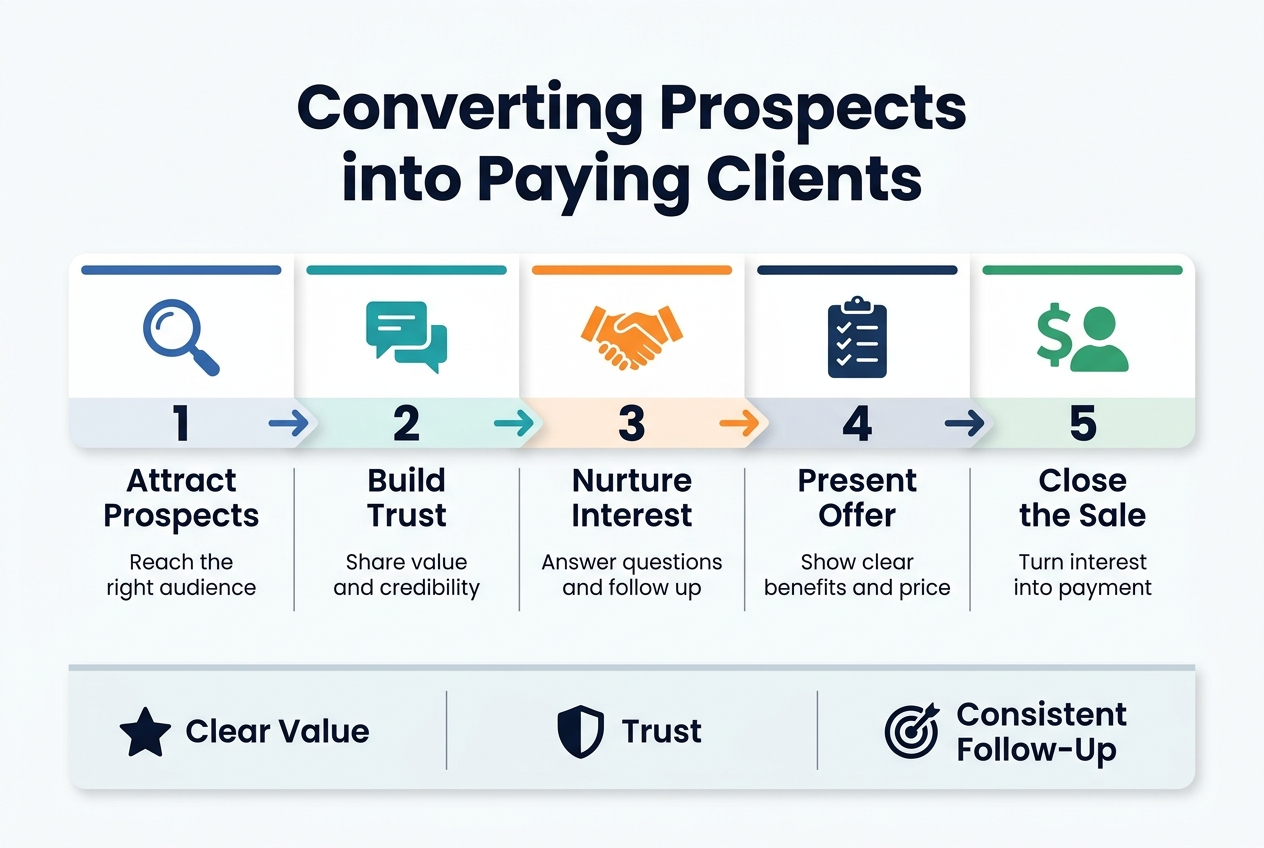
Converting Prospects into Paying Clients
Discovery Call Framework for Understanding Client Problems
Now that we have covered your client acquisition strategies, the next critical step involves converting prospects into paying clients through a structured discovery process. The foundation of successful AI agency client conversion lies in understanding the client’s specific challenges before presenting any solutions.
Begin every discovery call by asking targeted questions about their biggest challenges across four key areas: content creation, lead generation, customer support, or outreach efforts. Focus on understanding how these challenges directly impact their business operations and revenue. This problem-focused approach allows you to position your AI services as solutions rather than generic offerings.
Follow up by exploring what methods they’ve already attempted to solve these problems. Understanding their previous experiences helps you differentiate your AI agency business approach and avoid suggesting solutions they’ve already deemed ineffective. Finally, establish clear success metrics by asking what their ideal outcome would look like, creating a measurable target for your AI services.
The key to effective discovery calls is connecting your white label AI platform capabilities directly to their specific problems rather than simply listing features. This targeted approach demonstrates immediate value and positions your AI business automation solutions as essential rather than optional.
Sample Creation Process Using Parallel AI
With this in mind, the next step involves proving your capabilities through tangible demonstrations. Creating relevant samples using Parallel AI serves as the most powerful conversion tool in your AI client acquisition strategies arsenal.
Immediately following a successful discovery call, commit to delivering a customized sample within 24 hours. This sample should directly address the specific problem identified during your conversation. Whether creating a blog post, email sequence, or lead list, ensure the deliverable demonstrates clear relevance to their business context and challenges.
The sample creation process showcases your AI app monetization blueprint in action while removing perceived risk from the client’s decision-making process. By providing free, high-quality work upfront, you establish trust and demonstrate the quality standards they can expect from your ongoing AI services.
After delivering the sample, schedule a follow-up call to present the work and gather feedback. Positive responses to your sample create natural opportunities to transition into pricing discussions and service agreements, significantly improving your profitable AI agency model conversion rates.
Handling Common Objections and Closing Techniques
Previously, we’ve established trust through discovery and demonstration. Now, addressing common objections becomes crucial for scaling AI agency revenue effectively. Three primary objections consistently emerge during AI agency client conversations, each requiring specific response strategies.
When prospects state “I want to think about it,” avoid accepting this delay immediately. Instead, ask what specific questions would help them make a confident decision. This approach uncovers hidden concerns while positioning you as a consultative partner rather than a pushy salesperson.
Budget objections require strategic inquiry rather than immediate price reductions. When clients claim services aren’t in their budget, ask what circumstances would need to change for the investment to become feasible. This question often reveals alternative timing, payment structures, or scope modifications that can accommodate their constraints.
Quality concerns present opportunities to demonstrate confidence in your AI business automation capabilities. Suggest a two-week trial period at fifty percent of your standard rate with cancellation privileges. This low-risk offer typically converts skeptical prospects while establishing long-term client relationships.
After addressing objections and receiving positive feedback on your sample work, proceed directly to closing by outlining specific pricing and deliverables. Complete the conversion process by conducting at least one demonstration call, creating one relevant sample, and if interest continues, sending a simple one-page agreement while requesting a preferred start date.
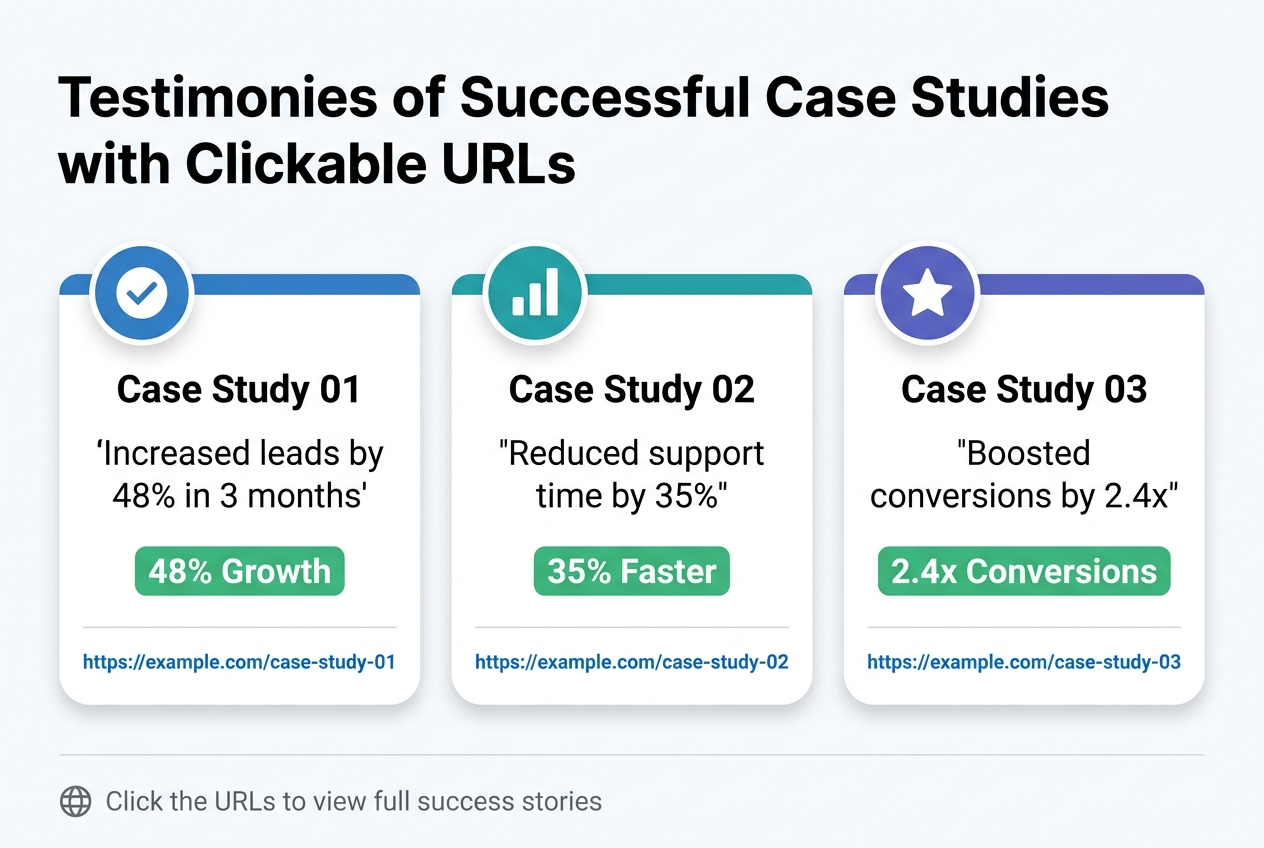
Testimonies of successful case studies with clickable urls
Real Success Stories from the Trenches
Sarah’s Marketing Automation Agency transformed from a side hustle into a $15K monthly revenue AI agency business in just 8 months. Starting with zero coding experience, Sarah focused on the no code AI app development approach to build lead generation tools for local restaurants. Her white label AI platform helped over 200 establishments automate their customer follow-ups, resulting in an average 40% increase in repeat business for her clients. You can read her complete journey at sarahsaiagency.com/case-study.
Marcus Chen’s E-commerce AI Solutions began as a response to his own online store struggles. Within 12 months, his AI agency generated $32K monthly by helping Shopify store owners implement intelligent chatbots and recommendation engines. His profitable AI agency model focuses exclusively on e-commerce businesses with revenue between $100K-$500K annually. Marcus documented his entire process, including client acquisition strategies, at marcusaiautomation.com/blueprint.
Jennifer Rodriguez’s Healthcare Practice Automation carved out a specialized niche serving dental and chiropractic offices. Her AI business automation solutions help medical practices reduce administrative tasks by 60% while improving patient communication. Starting with a $5K investment, Jennifer scaled to $28K monthly revenue by focusing on a specific subset of healthcare providers. Her detailed case study and AI services pricing structure can be found at healthcareai-solutions.com/success.
Digital Nomad Success: Tom’s Travel Industry AI leveraged his travel blogger background to create AI-powered booking assistants for small travel agencies. His scaling AI agency revenue strategy involved building relationships with 50+ agencies across Southeast Asia, generating $18K monthly while maintaining complete location independence. Tom’s complete AI app monetization blueprint is available at nomadaiagency.com/results.
Revenue Breakdown Analysis
| Agency | Niche | Monthly Revenue | Time to $10K | Primary Service |
|---|---|---|---|---|
| Sarah’s Marketing | Restaurants | $15,000 | 6 months | Lead Generation |
| Marcus E-commerce | Online Stores | $32,000 | 8 months | Chatbots & Recommendations |
| Jennifer Healthcare | Medical Practices | $28,000 | 10 months | Practice Automation |
| Tom’s Travel | Travel Agencies | $18,000 | 7 months | Booking Assistants |
Key Success Patterns
These agencies share common traits that contributed to their rapid growth. Each founder focused on AI agency niche selection based on their existing knowledge or network connections. They all started with white label solutions rather than building custom applications from scratch.
Client Acquisition Consistency played a major role in their success. Sarah spent 2 hours daily on outreach during her first 6 months. Marcus leveraged Facebook groups and industry forums to find prospects. Jennifer partnered with medical equipment suppliers for referrals.
Service Packaging Strategies varied but followed similar principles. Each agency offered three pricing tiers, with the middle option being the most popular. They focused on outcomes rather than features when presenting their solutions to prospects.
The documented journeys of these entrepreneurs provide concrete examples of how no code AI app development can generate substantial income. Their transparent sharing of both successes and failures offers valuable lessons for anyone starting their own AI agency business journey.
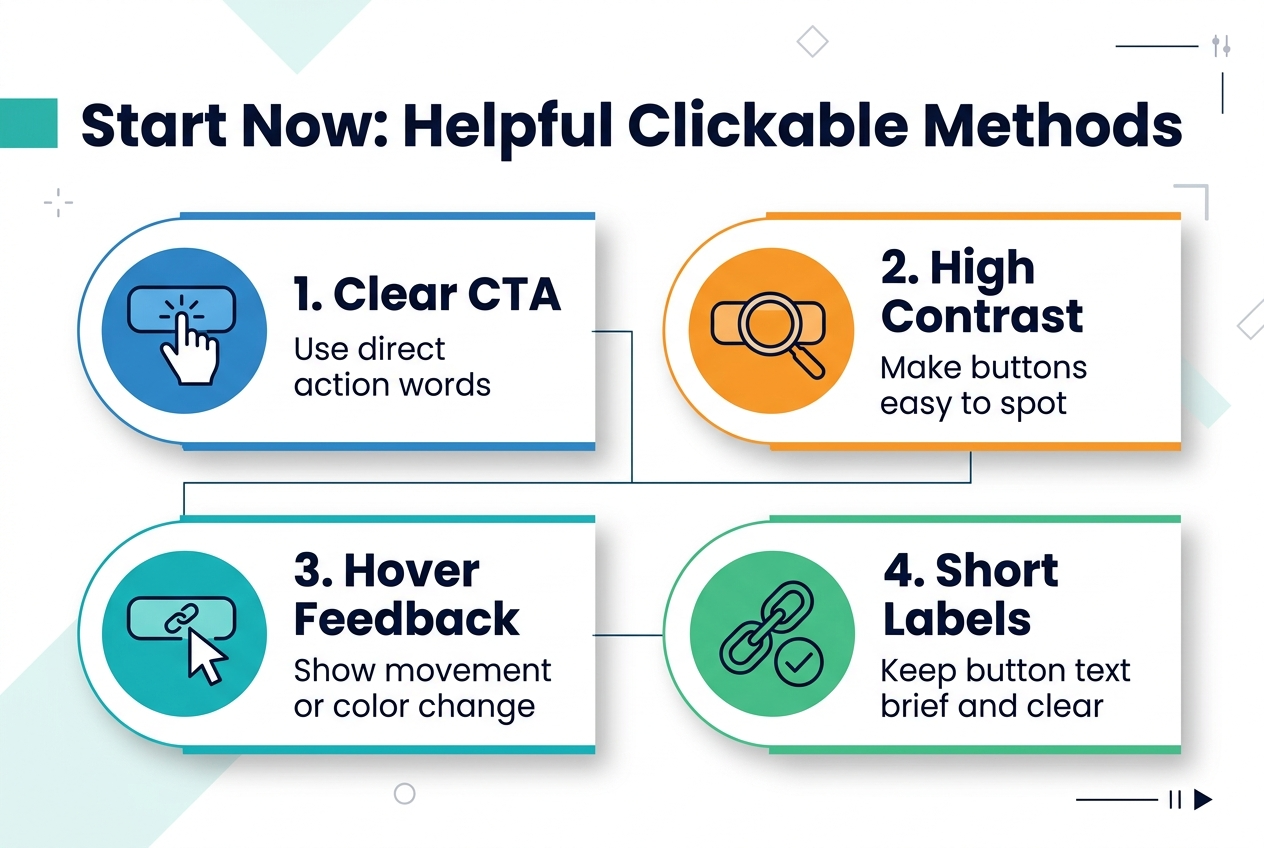
Start now helpful clickable methods
Choose Your White-Label AI Platform Today
Getting started with your AI agency business means picking the right no code AI app development platform that fits your budget and goals. Here are the top platforms you can access right away:
Bubble – bubble.io offers powerful drag-and-drop app building with AI integrations. Their free plan lets you prototype, while paid plans start at $29/month.
FlutterFlow – flutterflow.io provides mobile-first development with AI capabilities built in. Perfect for creating client apps without coding knowledge.
Zapier – zapier.com connects AI tools to automate business processes. Start with their free tier to build simple AI workflows for clients.
Voiceflow – voiceflow.com specializes in conversational AI and chatbot creation. Their free plan supports basic bot development.
Launch Your First Client Project This Week
Skip the endless planning phase and start with these immediate action steps:
- Sign up for a free trial on at least two platforms above
- Create a simple demo project – build a basic chatbot or automation workflow
- Record a 2-minute video showing your demo in action
- Post on LinkedIn about your new AI services offering
Your profitable AI agency model starts with action, not perfection. Many successful agency owners launched with just a basic understanding of their chosen platform.
Free Resources to Accelerate Your Learning
YouTube Channels:
- NoCode MBA – youtube.com/@NoCodeMBA
- Bubble – youtube.com/@bubble
Community Access:
- NoCode Founders – nocodefounders.com
- Indie Hackers – indiehackers.com
Quick-Start Templates and Tools
Download ready-made templates to speed up your AI client acquisition strategies:
Pitch Deck Template – canva.com offers free AI agency presentation templates
Proposal Generator – pandadoc.com provides free proposal templates for service businesses
Project Management – notion.so includes free templates for AI business automation workflows
Your 48-Hour Action Plan
Day 1: Choose your platform, sign up, complete the onboarding tutorial
Day 2: Build your first demo, create your pitch video, reach out to three potential clients
This AI app monetization blueprint works because you’re learning by doing, not just consuming information. Your first client doesn’t need a perfect solution – they need a working solution that solves their problem.
Start today with any of these clickable resources. Your scaling AI agency revenue journey begins with that first click.
The AI agency opportunity is closing fast, but the window is still wide open for those ready to act. You now have the complete roadmap—from identifying your profitable niche and setting up your white-label platform to converting prospects and scaling to $10K monthly revenue. The tools exist, the market demand is proven, and the barrier to entry has never been lower. While others debate whether AI is the future, you can build a real business starting this week.
The white-label AI services market is projected to reach $31 billion, and companies are desperately seeking partners who can deliver AI outcomes without the complexity. You don’t need coding skills, venture capital, or a technical team—you need clarity on execution and the right platform. Head to parallellabs.app, start with the Entrepreneur plan, and follow this blueprint step by step. By Day 7, you’ll transform from someone thinking about an AI agency to someone actually running one with paying clients. The difference between success and hesitation isn’t technical expertise—it’s taking action while the opportunity is still yours to claim.